


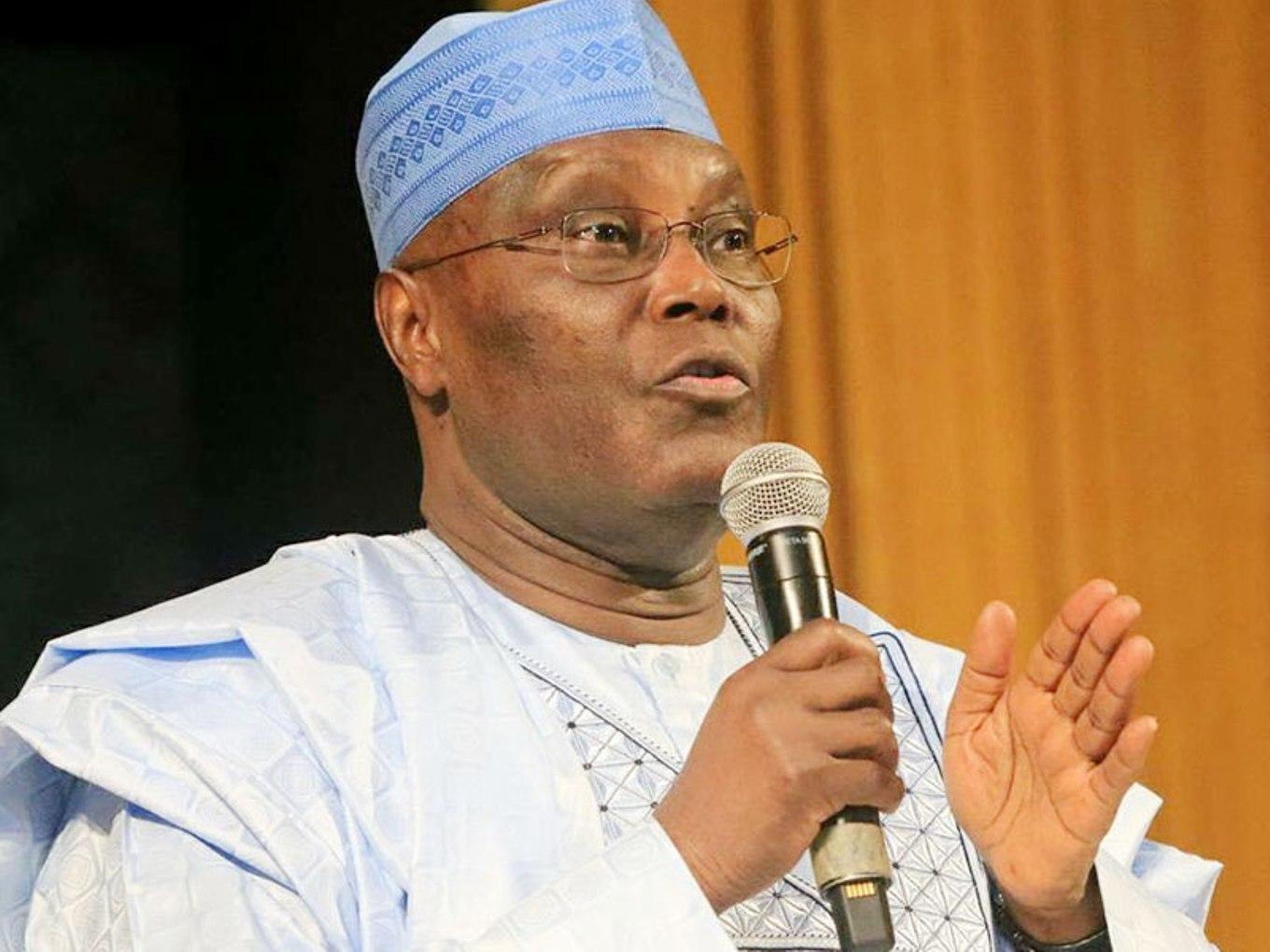
ADC Poised To Seize Power In 2027, Says Atiku Abubakar.
Former Vice President Atiku Abubakar has declared that the African Democratic Congress (ADC) will triumph over the ruling All Progressives Congress (APC) in Nigeria’s 2027 general election. Speaking at the unveiling and inauguration of the ADC Executive Council in Ekiti State, Atiku, represented by Prof Bayode Fakunle, expressed confidence in the party’s growing influence and its potential to reshape Nigeria’s political landscape.
Atiku highlighted the ADC’s rapid rise, noting that just three weeks after its adoption by a coalition of opposition leaders, the party has already sparked unease among rivals. “Within two weeks, ADC has become the most dominant party in the country, and all other parties are already jittery,” he stated. He emphasised that the ADC stands for a united Nigeria, rejecting the notion of the country becoming a one-party state. The former vice president underscored the party’s commitment to a clear ideology aimed at addressing Nigeria’s economic challenges and systemic issues.

The event in Ado Ekiti saw the ADC reaffirm its mission to unseat President Bola Tinubu’s APC. Atiku, a key figure in the coalition, stressed that the party is driven by a collective resolve to deliver governance that prioritises the welfare of Nigerians. “ADC is for all Nigerians,” he said, adding that it aims to transform the nation’s political dynamics by offering a credible alternative to the status quo.
The coalition, which includes prominent figures such as Peter Obi, former Labour Party presidential candidate, ex-Kaduna State governor Nasir el-Rufai, and former Minister of Transportation Rotimi Amaechi, has bolstered the ADC’s appeal. The party’s interim leadership, led by former Senate President David Mark and ex-Osun State governor Rauf Aregbesola, has been tasked with consolidating its structure ahead of the 2027 polls. However, internal tensions have surfaced, with some members, including the ADC’s 2023 presidential candidate Dumebi Kachikwu, questioning the coalition’s direction and alleging that the party’s former leadership, under Ralph Nwosu, lacked legitimacy.
Despite these challenges, Atiku remains optimistic about the ADC’s prospects. He cited the party’s growing grassroots support, particularly in states like Gombe, where stakeholders have pledged loyalty to the coalition. Reflecting on his past contributions to the region, Atiku noted, “The stakeholders reminded me of the foundation we laid in Gombe when I supported the emergence of Danjuma Goje as governor in 2003. That gesture continues to resonate today.”
The ADC’s Ekiti State chapter, led by newly appointed officials, echoed Atiku’s sentiments, vowing to align with the party’s national goals. In his acceptance speech, the state chairman, Ilesanmi, pledged to work towards victory in the 2026 governorship election and the 2027 general election. “We are committed to delivering a government that champions development and promotes good governance,” he said. Another party leader, Eleka, described the ADC as a movement to rescue Nigeria from misgovernance and restore transparency and accountability.
However, the coalition’s formation has not been without controversy. Some political observers, including PDP chieftain Dr Adetokunbo Pearse, have dismissed the ADC’s chances, arguing that Atiku’s departure from the Peoples Democratic Party (PDP) weakens his political standing. Pearse predicted that while Atiku may secure the ADC’s presidential ticket, he is unlikely to win the presidency. Similarly, Senate Minority Leader Abba Moro, a PDP stalwart, described Atiku’s exit as “good riddance,” insisting that the PDP remains a formidable force despite defections.
In response to concerns about internal divisions, the ADC’s interim National Publicity Secretary, Bolaji Abdullahi, clarified that the party is not yet focused on selecting a presidential candidate. “We are building a strong political platform to deliver on our mission,” he said, dismissing speculation about favouritism towards any aspirant.
Atiku, undeterred by criticism, has vowed to resist electoral malpractices in 2027, promising a new era of credible leadership. “Enough is enough,” he declared, citing the need to end years of hardship caused by poor governance and corruption. With the ADC gaining momentum, Nigeria’s political arena is set for a fierce contest as the 2027 elections approach.
