


Dangote Refinery’s Direct Supply Plan Sparks Fears Of Nationwide Fuel Disruption In Nigeria—Oil Marketers.
Nigeria’s oil marketers have raised urgent concerns over Dangote Petroleum Refinery’s bold plan to bypass traditional distribution channels and supply refined petroleum products directly to end-users, warning that the move could trigger widespread disruption, long-term fuel scarcity, and the collapse of established supply networks. The announcement, made public on 21 July 2025, has ignited fierce debate within the nation’s oil and gas sector, with industry groups urging the Federal Government to intervene.
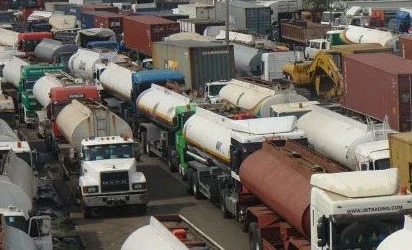
The Natural Oil and Gas Suppliers Association of Nigeria (NOGASA) has led the outcry, with its president, Benneth Korie, cautioning that Dangote’s strategy to deploy 4,000 Compressed Natural Gas (CNG)-powered trucks to distribute Premium Motor Spirit (PMS) and diesel directly to retail stations, manufacturers, telecom firms, and other large consumers could render thousands of jobs obsolete. “This new distribution model threatens the livelihoods of our members, who serve as vital intermediaries between refineries and consumers,” Korie stated at NOGASA’s Annual General Meeting in Abuja. He highlighted the risk of redundancy for trucks, drivers, and logistical staff, predicting a ripple effect on Nigeria’s economy.

The Petroleum Products Retail Outlets Owners Association of Nigeria (PETROAN), representing over 6,700 members, echoed these concerns, warning that Dangote’s direct supply initiative could lead to price manipulation and an unhealthy concentration of market power. “No single company should control refining, supply, distribution, and retail,” PETROAN’s president, Billy Gillis Harry, declared, emphasising the threat to independent operators. The Depot and Petroleum Products Marketers Association of Nigeria (DAPPMAN) has also expressed unease, revealing ongoing negotiations with Dangote Refinery to ensure equitable access to its products for existing depots and marketers.
Dangote Refinery, Africa’s largest with a capacity of 650,000 barrels per day, began supplying petroleum products to the local market in April 2024, marking a significant step towards Nigeria’s quest for energy independence. The refinery, built by billionaire Aliko Dangote at a cost of $20 billion, has been hailed as a potential game-changer for reducing the nation’s reliance on imported fuel. However, its latest plan to sidestep traditional distribution networks has drawn sharp criticism. Posts on X reflect growing public concern, with many users describing the move as a “monopolistic” threat to the industry’s ecosystem.
The Nigerian Midstream and Downstream Petroleum Regulatory Authority (NMDPRA) has reaffirmed its commitment to maintaining an open and resilient market, citing the Petroleum Industry Act’s mandate for inclusive access to refining and distribution. “Restricting product flow through a single channel could jeopardise national energy security,” an NMDPRA spokesperson warned, urging stakeholders to prioritise stability.
While some praise Dangote’s strategy as a means to cut inefficiencies and reduce fuel costs, critics argue that bypassing established networks risks destabilising a system that employs thousands and ensures nationwide supply. NOGASA has scheduled an emergency meeting on 31 July 2025 at Chida Hotels in Abuja to develop a unified response, with Korie advocating for a model where Dangote supplies products to NOGASA members for onward distribution to end-users.
As Nigeria grapples with this unfolding crisis, the Federal Government faces mounting pressure to mediate and prevent potential fuel shortages. With the nation’s energy future hanging in the balance, all eyes are on Dangote Refinery and its next steps.
