


Lula da Silva Calls For A Debt-Free Global South Alliance, Challenging IMF And World Bank.
Brazilian President Luiz Inácio Lula da Silva has ignited a global conversation with a bold statement criticising the International Monetary Fund (IMF) and World Bank, branding them as “colonial tools” that perpetuate economic dependency in developing nations. Speaking on 29 July 2025, Lula advocated for a new alliance of Global South countries, one that prioritises independence and freedom from the debt burdens imposed by these institutions. His remarks have resonated widely, sparking discussions about the need for systemic reform in international finance.
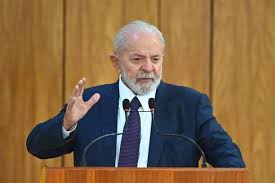
Lula’s critique centres on the historical role of the IMF and World Bank, established in 1944 at the Bretton Woods Conference. He argues that these institutions, shaped by colonial powers when much of the Global South was under foreign rule, continue to enforce policies that disproportionately harm developing nations. According to Lula, their lending practices, often tied to austerity measures and structural adjustment programmes, trap countries in cycles of debt and economic stagnation. He described these policies as a “reverse Marshall Plan,” benefiting wealthy nations while undermining the sovereignty of poorer ones.

The Brazilian leader’s call for a new Global South alliance has struck a chord, particularly in regions like Africa and Latin America, where countries face mounting debt crises. Recent reports highlight that external debt payments for low-income countries are at their highest in 25 years, with austerity measures blocking critical investments in healthcare, education, and infrastructure. Lula’s vision is for a coalition that fosters economic autonomy, allowing nations to pursue development without the constraints of conditional loans or external interference.
Civil society groups and economic justice advocates have echoed Lula’s sentiments. Organisations like ActionAid have long argued that the IMF and World Bank’s governance structures, which grant disproportionate voting power to Western nations, reflect a colonial legacy. For instance, a British citizen’s vote in the IMF carries significantly more weight than that of a Bangladeshi or Nigerian, perpetuating an unequal global economic order. Calls for reform, including equal voting rights and debt cancellation, have gained traction as a response to Lula’s statement.
Lula’s proposal aligns with emerging initiatives to counter the influence of traditional financial institutions. The Collective on African Political Economy (CAPE) and the Progressive International have outlined frameworks for debt relief and economic emancipation, such as renegotiating odious debts and curbing tax evasion by multinational corporations. These measures aim to empower Global South nations to build resilient economies rooted in self-determination.
The statement has not been without controversy. Some Western economists defend the IMF and World Bank, arguing they provide essential financial stability and development aid. However, critics counter that their one-size-fits-all approach often exacerbates poverty and inequality, as seen in cases like Kenya and Argentina, where austerity-driven protests erupted in 2024.
As Brazil prepares to assume the G20 presidency, Lula’s remarks signal a potential shift in global economic discourse. His call for a debt-free, independent Global South alliance challenges the status quo and invites leaders from Africa, Asia, and Latin America to reimagine international cooperation. With the world grappling with interconnected crises—climate change, debt, and inequality—Lula’s vision offers hope for a fairer, more equitable future.
