


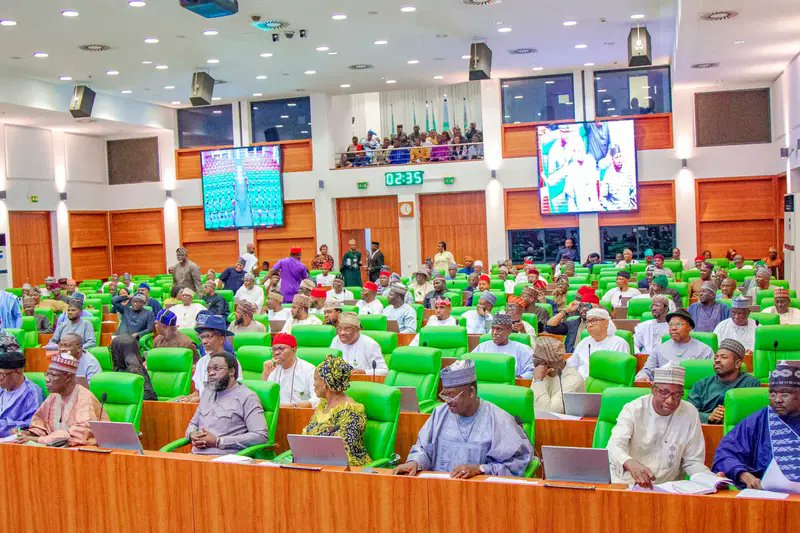
Nigerian House Of Representatives Receives 46 Proposals For New States And 117 For Local Government Areas.
The House of Representatives Committee on Constitution Review, led by Deputy Speaker Hon. Benjamin Kalu, has confirmed the receipt of 46 memoranda advocating for the creation of new states across Nigeria, alongside 117 proposals for additional local government areas (LGAs). The announcement, made on Sunday, reflects ongoing demands for administrative restructuring to address issues of representation and development.
The proposals, submitted by various interest groups and community delegations, span Nigeria’s six geopolitical zones, with each seeking to carve out new states or LGAs from existing ones. Among the proposed states are Okun, Okura, and Confluence from Kogi; Benue Ala and Apa from Benue; and Amana from Adamawa, with others including Lagoon from Lagos and Ijebu from Ogun. The committee also noted requests for LGAs to enhance local governance and bring administration closer to the people.

Deputy Speaker Kalu, who chairs the committee, emphasised that the submissions are under review as part of the ongoing effort to amend the 1999 Constitution. However, he cautioned that creating new states or LGAs is a complex process governed by Section 8 of the Constitution, requiring a two-thirds majority from the National Assembly, State Houses of Assembly, and local government councils in the affected areas, as well as a referendum with at least two-thirds voter approval. None of the current proposals have yet met these stringent requirements, with many lacking necessary legislative endorsements or detailed documentation.
The push for new states and LGAs stems from long-standing grievances over perceived marginalisation, uneven development, and the need for greater political representation. Proponents argue that additional administrative units could foster economic growth and better governance. However, critics, including groups like Afenifere and the Arewa Consultative Forum, have voiced concerns that creating new states could strain Nigeria’s finances, as many existing states rely heavily on federal allocations.
Historically, Nigeria’s 36 states were largely created through military decrees, with the last major exercise occurring in 1996 under Gen. Sani Abacha. The current democratic process, with its rigorous constitutional hurdles, makes state creation a formidable challenge. The committee plans to engage Nigerians through public consultations and digital platforms to ensure broad input, with a report expected later this year.
As the review process continues, the proposals signal a strong desire for change in Nigeria’s administrative structure, though their success hinges on navigating the intricate legislative and public approval processes outlined in the Constitution.
