


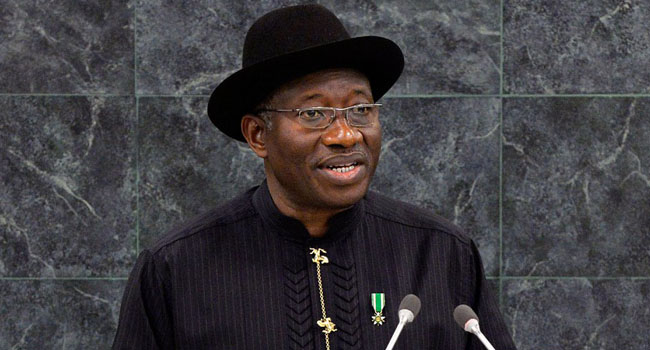
Goodluck Jonathan Touted As North’s Strongest Candidate For 2027 Presidency.
A prominent chieftain of the Peoples Democratic Party (PDP), Umar Sani, has declared former President Goodluck Jonathan as the North’s most strategic choice for the 2027 Nigerian presidential election. Speaking on Trust TV, Sani argued that Jonathan’s national goodwill, proven track record, and ability to bridge regional divides make him a formidable candidate to lead the country forward.
Sani, a respected figure within the PDP, emphasised that Jonathan’s experience as president from 2010 to 2015 gives him a unique edge. “Jonathan has the trust of northern elders and southern stakeholders alike,” he said, highlighting the former president’s reputation for fostering peace during his tenure. He pointed to Jonathan’s historic concession of defeat in the 2015 election to Muhammadu Buhari, a move widely praised as a model of democratic integrity, as evidence of his commitment to national unity.

The PDP chieftain’s endorsement comes amid growing debates over zoning and power rotation in Nigeria’s political landscape. Sani argued that Jonathan, hailing from the South-South, could maintain the delicate balance of the north-south rotational presidency. With constitutional eligibility for only one more four-year term, Jonathan’s candidacy is seen as a strategic move for northern leaders who anticipate power returning to their region by 2031. This, Sani noted, makes Jonathan a more appealing choice than other potential candidates, such as Peter Obi, who has also been mentioned in discussions about 2027.
Jonathan’s potential candidacy has sparked renewed interest, particularly in the North, where his calm leadership style and diplomatic approach still resonate. During his presidency, Jonathan’s administration made strides in gender inclusion, notably through the 35% Affirmative Action for women in politics, which saw prominent women like Ngozi Okonjo-Iweala and Diezani Alison-Madueke take key roles. His government also revived Nigeria’s automotive industry, with companies like Innoson Vehicle Manufacturing beginning production of locally made vehicles.
However, Jonathan’s tenure was not without criticism. His administration faced accusations of corruption and struggled with security challenges, including the rise of Boko Haram and the Chibok schoolgirls’ abduction. Despite these, Sani argued that Jonathan’s experience equips him to address Nigeria’s current challenges, including economic instability and insecurity, more effectively than untested candidates.
Speculation about Jonathan’s return to the presidential race is not new. Ahead of the 2023 election, a coalition of northern groups purchased an All Progressives Congress (APC) nomination form for him, though Jonathan distanced himself from the move, stating he had not consented. More recently, in June 2025, his spokesperson, Ikechukwu Eze, dismissed claims linking him to a cryptic Instagram post about the 2027 race, clarifying that Jonathan does not own an Instagram account.
Sani’s endorsement has ignited fresh discussions within political circles, with some northern leaders reportedly warming to the idea of Jonathan’s candidacy. “He’s a unifying figure,” Sani said, urging PDP supporters to rally behind Jonathan and persuade him to run. He believes Jonathan’s leadership could stabilise Nigeria at a time when many are frustrated with the current administration’s handling of inflation, insecurity, and economic woes.
As the 2027 election draws closer, Jonathan’s name continues to feature prominently in political conversations. Whether he will heed the call to run remains uncertain, but for now, his supporters see him as a beacon of hope for a divided nation seeking experienced leadership.
