


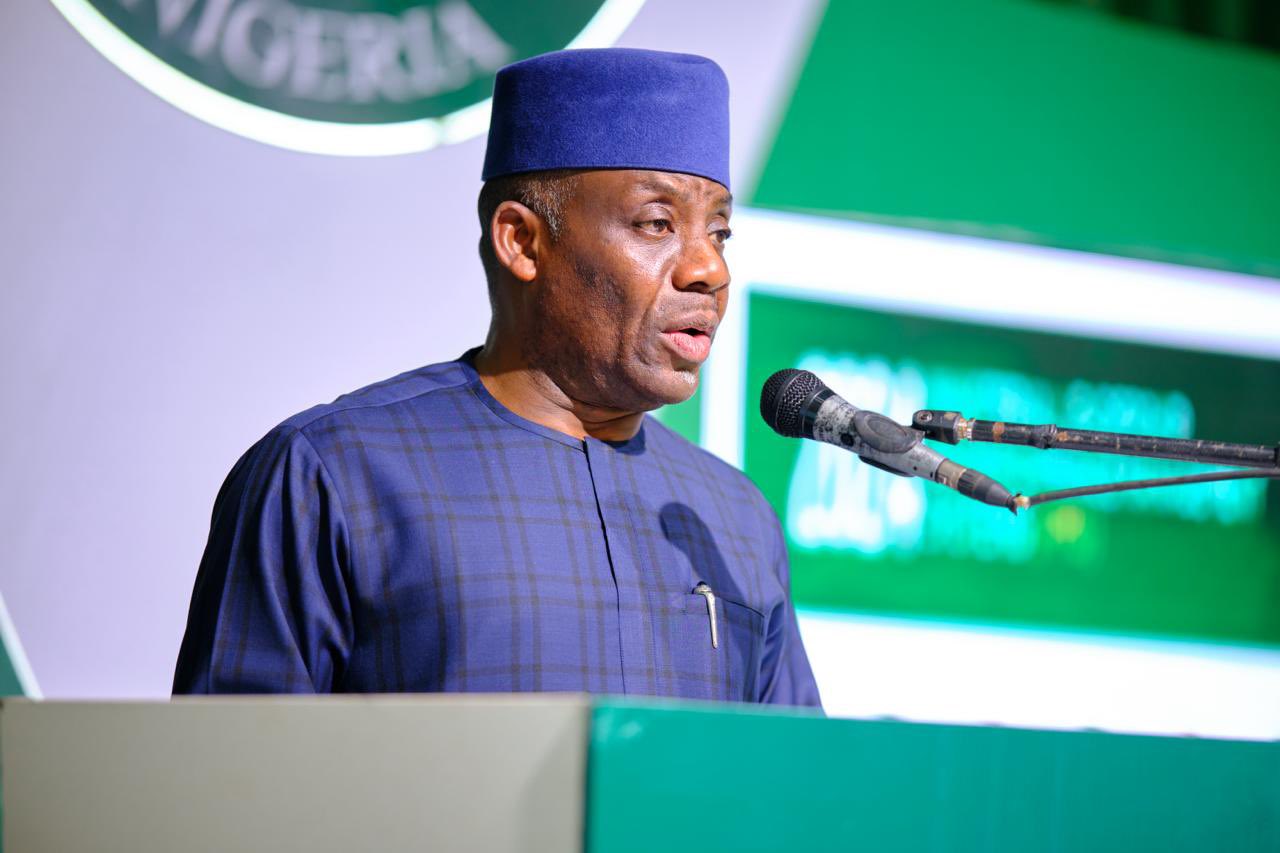
Federal Government Sets 12 As Minimum Age For JSS1 Admission In Nigeria.
The Federal Government of Nigeria has introduced a new policy mandating that pupils must be at least 12 years old to gain admission into Junior Secondary School 1 (JSS1), following the completion of six years of primary education. This directive, outlined in a recently released policy document on Non-State Schools by the Federal Ministry of Education, aims to standardise age-based progression across the country’s basic education system.

The policy, launched last week, specifies that children should begin primary school at age six, completing six years of primary education before transitioning to JSS1 at around 12 years old. This aligns with the National Policy on Education (2013 Edition), which also mandates three years of nursery education starting at age three and a compulsory one-year pre-primary (kindergarten) programme at age five. The Ministry stated, “Every child must complete six years of primary education. They shall be admitted into Junior Secondary School (JSS1) when they have completed six years of primary education, at around the age of twelve (12) years.”
This new guideline is part of a broader effort to address inconsistencies in curriculum implementation and entry ages, particularly in non-state schools—private, independent, or faith-based institutions funded through tuition fees, donations, and community support. Data from the Nigeria Education Digest 2022 highlights the growing dominance of non-state schools, which outnumber state schools in 26 states at the junior secondary level, though public schools retain a majority at the primary level in 19 states. Between 2017 and 2022, non-state primary schools grew by 31.56%, compared to a modest 3.3% increase for state primary schools.
The policy has sparked varied reactions. Some Nigerians, like @ObaOfVibes on X, expressed surprise, noting they entered JSS1 at age 10, reflecting the previous flexibility in age requirements. The Ministry argues that the new age limit ensures age-appropriate learning and better prepares students for secondary education. If strictly enforced, the policy would mean students typically complete secondary school at around 18, aligning with past recommendations for university entry, though the current minimum age for university admission, as set by Education Minister Dr Tunji Alausa, remains 16.
However, a conflicting report from the Ministry of Education, published on 25 July 2025, debunked claims of a new 12-year minimum age, stating that the minimum age for JSS1 remains 10, with no child expected to complete primary education below this age. The Ministry urged the public to disregard contrary reports, citing misinformation in some media outlets. Despite this, multiple sources, including Vanguard and Punch, confirmed the 12-year policy, suggesting ongoing debates about its implementation.
The policy underscores the growing role of private schools in Nigeria’s education landscape and the need for better regulation to ensure quality. As the government seeks to streamline educational progression, the focus remains on balancing accessibility with standards to benefit Nigeria’s young learners.
