


New Policy To Elevate Standards In Non-State Schools Across Nigeria.
The Federal Government of Nigeria has unveiled a transformative policy aimed at regulating non-state schools, including private institutions, to enhance the quality of education and ensure greater accountability. Announced on Wednesday, 16 July 2025, the policy sets clear standards for infrastructure, curriculum delivery, and teacher qualifications, marking a significant step in the nation’s education reform agenda.

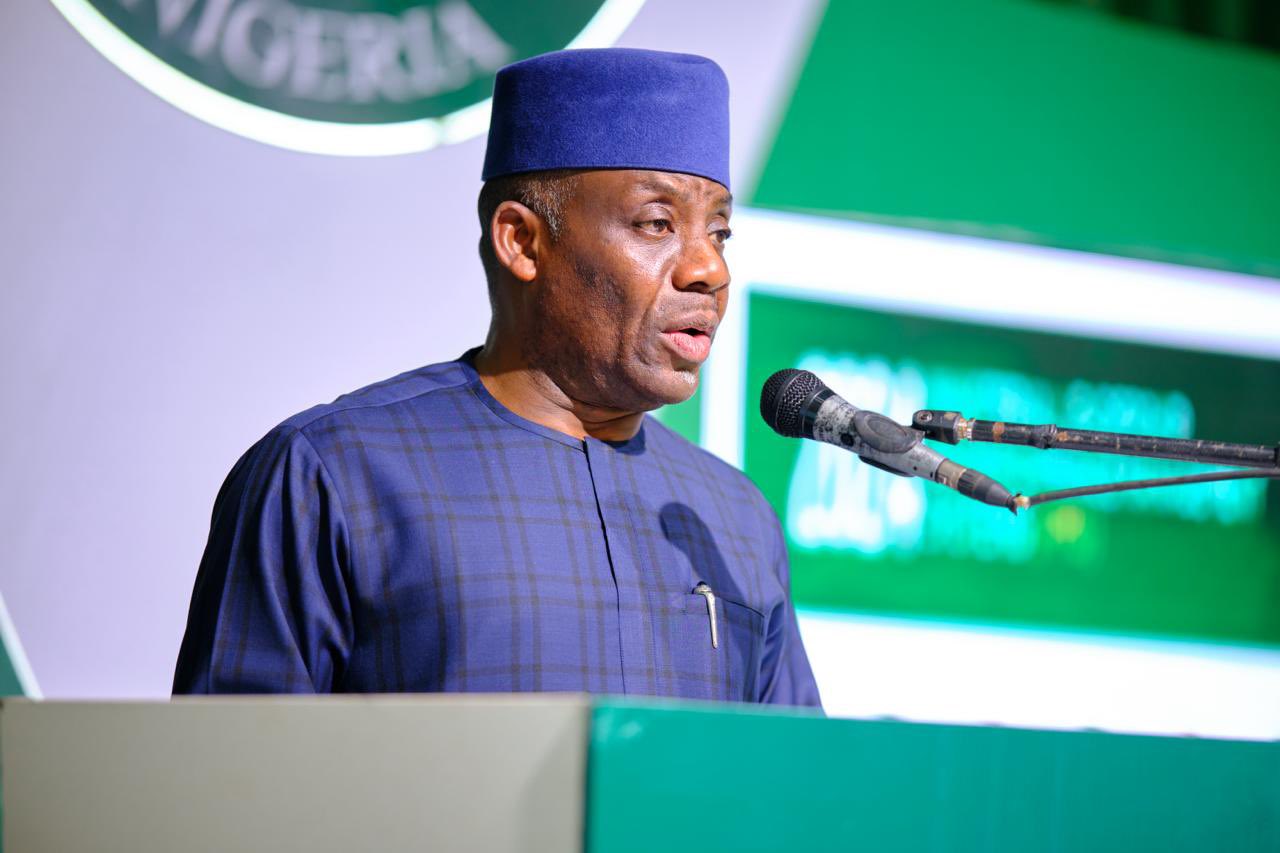
Dr Tunji Alausa, the Minister of Education, introduced the policy in Abuja, describing it as a cornerstone of President Bola Tinubu’s National Education Sector Renewal Initiative (NESRI). Speaking at the unveiling, Dr Alausa emphasised the vital role non-state schools play in addressing Nigeria’s growing demand for quality education. “This policy is a bold move to standardise operations in non-state schools, ensuring they meet the needs of our learners and contribute to national development,” he stated.
The new guidelines outline rigorous requirements for school infrastructure, mandating safe, well-equipped facilities that foster effective learning environments. Additionally, the policy focuses on improving curriculum delivery to ensure it aligns with national educational goals, promoting critical thinking and practical skills. Teacher qualifications will also face stricter scrutiny, with an emphasis on professional certification and continuous training to elevate teaching standards.
Dr Ronke Soyombo, Registrar of the Teachers Registration Council of Nigeria (TRCN), highlighted a concerning statistic during the event: over 85% of teachers in non-state schools are currently unregistered. The new policy aims to address this by enforcing registration and certification requirements, ensuring only qualified educators are employed. “This will not only raise teaching standards but also hold schools accountable for their performance and transparency,” Dr Soyombo noted.
The policy has garnered international support, with Ian Attfield, Senior Education Adviser at the British Council, commending Nigeria’s efforts. “This is a critical step towards addressing the needs of millions of learners underserved by the public system,” he said. Attfield praised the government’s commitment to reforming the education sector and ensuring inclusivity.
As part of the broader NESRI framework, the policy is expected to strengthen oversight and promote collaboration between state and non-state actors in education. Schools failing to meet the new standards could face sanctions, while those complying will benefit from enhanced credibility and support. The government has assured stakeholders that implementation will be phased, with clear timelines and monitoring mechanisms to ensure success.
Education stakeholders have welcomed the move, with many expressing optimism about its potential to transform Nigeria’s education landscape. The policy is seen as a proactive measure to bridge gaps in quality and access, ensuring that all students, regardless of whether they attend public or private institutions, receive a world-class education. With these reforms, Nigeria is poised to set a new benchmark for educational excellence in the region.
