


Global Cocaine Trade Reaches Record Highs, UN Warns.
The global cocaine market has surged to unprecedented levels, with production, seizures, and usage all hitting record highs in recent times, according to the United Nations Office on Drugs and Crime (UNODC). The agency’s annual World Drug Report, published on 26 June 2025, identifies cocaine as the world’s fastest-growing illicit drug market, driven largely by a boom in production in Colombia and rising demand in Europe, North America, and South America.
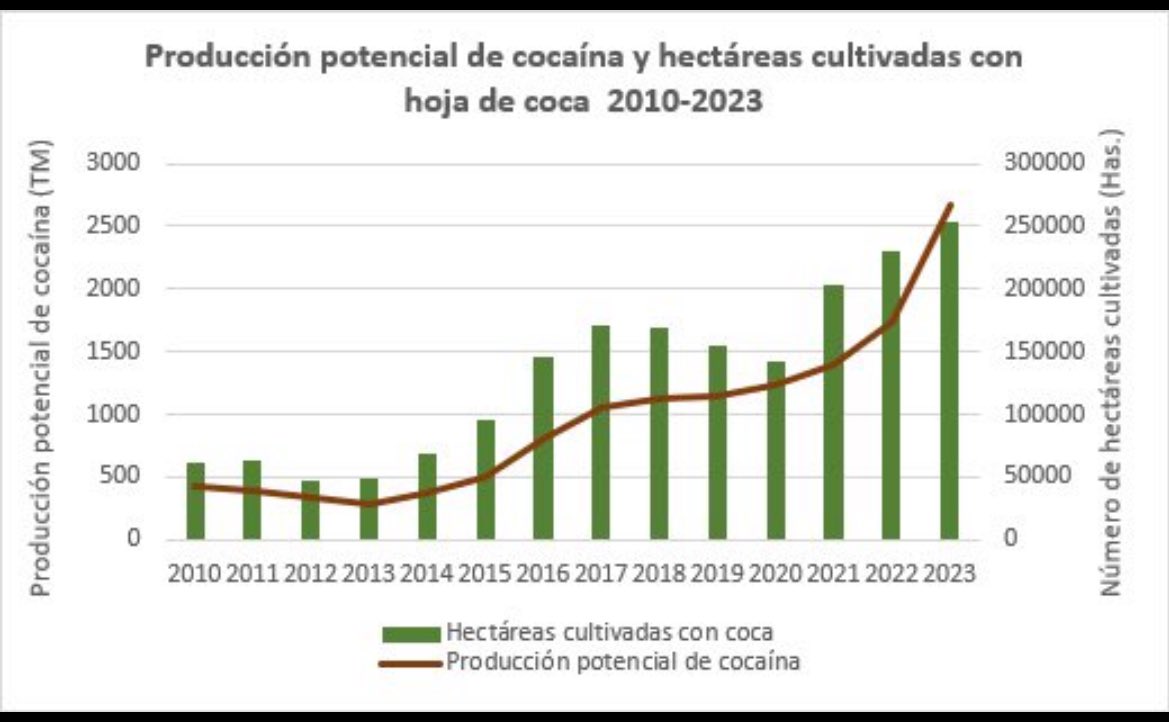
The report reveals that global cocaine production soared to 3,708 tonnes in 2023, a staggering 34% increase from 2022 and more than four times higher than a decade ago. This surge is primarily attributed to expanded coca bush cultivation in Colombia, which accounts for 61% of global cultivation, alongside improved yields that are approximately 50% higher than the previous year. Peru and Bolivia contribute 26% and 13% respectively to the global coca crop.

Cocaine use has also risen sharply, with an estimated 25 million users worldwide in 2023, up from 23 million in 2022. The UNODC highlights that lower production costs have driven down street prices, making the drug more accessible and fuelling consumption. Western and Central Europe, alongside North and South America, are the primary markets, though posts on X suggest growing demand in Asia and Latin America is reshaping trafficking routes, contributing to increased violence in countries like Ecuador.
Seizures have kept pace with production, with 72% of global cocaine seizures occurring in South and Central America and the Caribbean, 15% in Western and Central Europe, and 12% in North America. Notably, West and Central Africa have emerged as significant transit hubs for cocaine destined for Europe, with record seizure levels reported since 2019.
The UNODC warns that the cocaine boom is exacerbating violence along supply chains, particularly in Ecuador and Caribbean nations, and increasing health harms in destination countries, including a rise in drug-related disorders in Europe. “The surge in the global cocaine supply should put all of us on high alert,” said a UNODC spokesperson, urging stronger international cooperation to combat trafficking and support evidence-based treatment for drug use disorders.
The report also notes the broader context of the global drug trade, with 292 million people using drugs in 2022, a 20% rise over the past decade. Cannabis remains the most widely used drug, followed by opioids, amphetamines, cocaine, and ecstasy. The emergence of potent synthetic opioids like nitazenes in high-income countries has further compounded health risks.
As the world marks the International Day against Drug Abuse and Illicit Trafficking on 26 June 2025, the UNODC calls for governments and communities to prioritise public health and strengthen efforts to dismantle trafficking networks. The agency’s findings underscore the urgent need for global action to address the escalating challenges posed by the illicit drug trade.
