


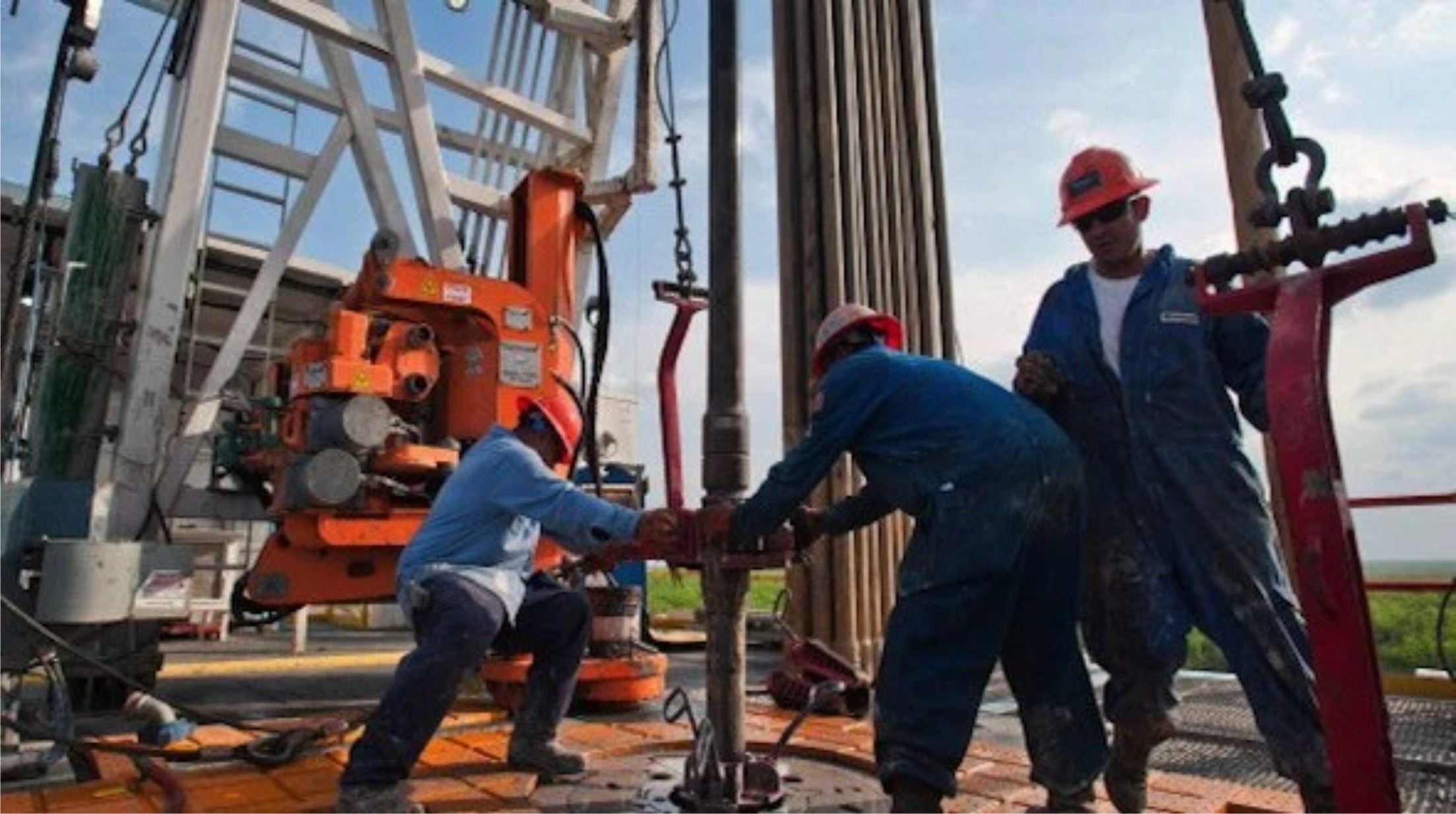
Nigeria’s Oil Production Dips Slightly But Remains Strong At 97% Of OPEC Quota.
Nigeria’s oil production experienced a modest 2% decline in May, falling to 1.45 million barrels per day (bpd) from 1.48 million bpd in April, according to the Nigerian Upstream Petroleum Regulatory Commission (NUPRC). Despite the slight drop, the country continues to perform robustly, achieving 97% of its 1.5 million bpd quota set by the Organisation of Petroleum Exporting Countries (OPEC), reinforcing its position as a key player in global oil markets.
The NUPRC reported that May’s average daily production, including condensate, reached 1,657,435 bpd, comprising 1,452,941 bpd of crude oil and 204,493 bpd of condensate. The commission noted that production fluctuated during the month, with a low of 1.61 million bpd and a peak of 1.81 million bpd for combined crude and condensate output. This performance follows a year of recovery, with production rising from 1.5 million bpd earlier in 2024 to a high of 1.7 million bpd in November, driven by intensified efforts to curb oil theft and pipeline vandalism.

Gbenga Komolafe, Chief Executive of the NUPRC, attributed the sustained output to ongoing reforms under the Petroleum Industry Act (PIA) of 2021 and the commission’s “Project 1 Million Barrels” initiative, which aims to boost production to 2.4 million bpd in the medium term. “Through kinetic and non-kinetic interventions, oil theft has dropped significantly from 1.1 million bpd in 2022 to just 5,000 bpd, enabling production to stabilise at 1.75 million bpd in January 2025,” Komolafe said at a recent conference in Abuja. He highlighted the doubling of Nigeria’s rig count from 16 in 2021 to 32, reflecting increased upstream activity and investor confidence.
The slight decline in May has raised questions about Nigeria’s ambitious 2.1 million bpd target for 2025, as outlined in the federal budget. Industry experts point to persistent challenges, including underinvestment and occasional pipeline disruptions, as factors affecting output. However, the NUPRC remains optimistic, citing recent investments, such as ExxonMobil’s planned $10 billion deployment in deepwater fields and Oando’s acquisition of Nigerian Agip Oil Company assets, as catalysts for future growth.
The commission has also enforced the Domestic Crude Supply Obligation, requiring producers to supply 770,500 bpd to local refineries, including the 650,000 bpd Dangote Refinery, in the first half of 2025. This move aims to reduce Nigeria’s reliance on imported petroleum products and bolster energy security.
Minister of State for Petroleum Resources, Heineken Lokpobiri, expressed confidence in Nigeria’s potential, stating, “With sustained reforms and collaboration, we can achieve 3 million bpd in the near future.” The government’s focus on regulatory transparency, cost efficiency, and decarbonisation, alongside partnerships with international oil majors, is expected to drive further progress.
As Nigeria navigates global oil market dynamics, the NUPRC’s commitment to regulatory reforms and strategic investments offers hope for sustained growth, positioning the country to meet both domestic and international energy demands.
