

“You’re Either Male Or Female Enough Of Gender Madness” Says Hungarian Prime Minister Viktor Orban.
Hungarian Prime Minister Viktor Orban has intensified his controversial cultural agenda with a fresh constitutional amendment that legally defines citizens strictly as male or female. The move, passed by Parliament on Monday, is seen as a further step in Orban’s long-standing campaign against what he calls “gender madness”.

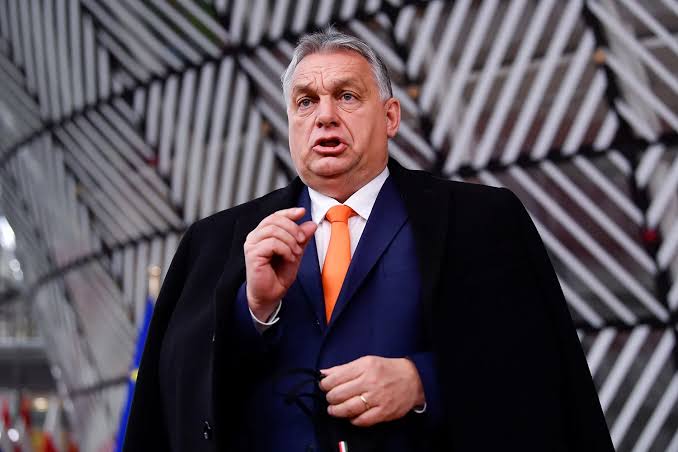
Backed by a comfortable parliamentary majority, Orban’s Fidesz party successfully endorsed the amendment, which includes a clause stating that the Hungarian state shall protect children’s “physical, mental and moral development”. The government claims the changes are necessary to shield young people from what it sees as harmful foreign ideologies.


Speaking in Budapest following the vote, Orban said, “The international gender network must take its hands off our children.” He also referenced the recent re-election of Donald Trump in the United States, saying, “Now, with the change in America, the winds have shifted in our favour.”
The gender clause follows the passing of a law last month that banned gay pride events, citing them as a threat to the wellbeing of children. Critics have labelled the legislation discriminatory and a clear infringement on human rights and freedom of expression.
In a parallel amendment, Hungary’s Constitution was also revised to allow the government to revoke citizenship from dual nationals considered a threat to national security. The move is viewed by observers as a targeted attempt to suppress dissent, particularly among Hungarians living abroad who have taken up second citizenship and often criticise the Orban administration.
Mr Orban described the constitutional amendments as part of a broader political initiative, which he referred to last month as a “spring cleaning” to rid Hungarian politics of so-called “stink bugs”.
Since taking office in 2010, Prime Minister Orban has overseen 15 constitutional amendments, steadily reshaping Hungary’s political landscape into what he himself has described as an “illiberal democracy”. As the country heads towards elections next year, analysts suggest that Orban is rallying his conservative base while attempting to shift focus from economic discontent and a growing opposition alliance.
The European Union and international human rights organisations have frequently criticised Hungary’s democratic backsliding under Orban, warning that such constitutional changes could further isolate the country within the bloc. Nonetheless, the Hungarian leader remains defiant, continuing to position himself as a champion of nationalist and traditional values.