


Trump To Host Five African Leaders For Trade Summit, Nigeria Notably Excluded.
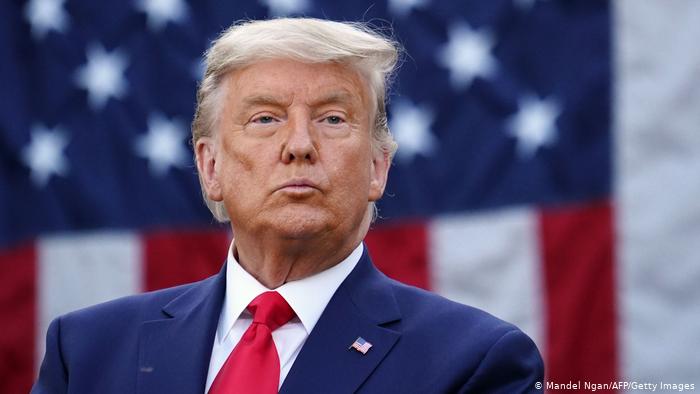
United States President Donald Trump is set to welcome the leaders of five African nations to the White House next week for a high-level summit focused on trade and investment opportunities. The presidents of Gabon, Guinea-Bissau, Liberia, Mauritania, and Senegal will join Trump for discussions and a working lunch on 9 July 2025, marking his administration’s first major diplomatic engagement with African leaders since his return to office. However, Nigeria, Africa’s most populous nation and largest economy, has been conspicuously left off the guest list, raising questions about the state of US-Nigeria relations.
A White House official confirmed the meeting, stating, “President Trump believes that African countries offer incredible commercial opportunities which benefit both the American people and our African partners.” The summit, expected to run from 9 to 11 July, will prioritise economic cooperation, particularly in West Africa’s critical minerals sector, alongside discussions on regional security. The invited nations—Gabon, Guinea-Bissau, Liberia, Mauritania, and Senegal—share historical ties with the US, with Liberia’s connection dating back to its founding by freed American slaves in the 19th century. Senegal, meanwhile, hosts the largest US military presence on the continent, and Gabon’s oil wealth makes it a key player in US intelligence and surveillance efforts in Central Africa.


The exclusion of Nigeria, a major oil producer and significant US trade partner, has sparked debate among analysts and diplomats. With a population exceeding 200 million and a robust economy, Nigeria has traditionally been a cornerstone of US-Africa relations. The decision to omit Nigeria from the summit has been described as a potential diplomatic snub, with some speculating it reflects the Trump administration’s preference for engaging smaller, less complex investment environments. Others suggest it may signal a reassessment of Nigeria’s strategic importance under Trump’s “America First” policy, which has seen a shift away from traditional foreign aid towards trade-driven partnerships.
The summit comes amid a broader recalibration of US-Africa policy. The Trump administration has significantly reduced foreign aid to African nations, arguing that previous models were inefficient. Instead, it is championing a business-oriented approach, with US Secretary of State Marco Rubio recently outlining a strategy to prioritise countries demonstrating a willingness to foster mutual economic growth. The focus on critical minerals, vital for global supply chains, underscores the strategic importance of nations like Gabon and Liberia, while security discussions will likely address jihadist insurgencies in the Sahel and drug trafficking in West Africa, particularly in Guinea-Bissau.
Despite the absence of Nigeria, the summit is seen as a positive step towards strengthening US-Africa ties. The leaders attending—Gabon’s Brice Clotaire Oligui Nguema, Guinea-Bissau’s Umaro Sissoco Embaló, Liberia’s Joseph Nyuma Boakai, Mauritania’s Mohamed Ould Ghazouani, and Senegal’s Bassirou Diomaye Faye—are expected to explore new trade agreements and investment opportunities. The event follows recent US diplomatic successes, including a peace deal brokered between Rwanda and the Democratic Republic of Congo, highlighting Washington’s growing engagement with the continent.
As preparations for the summit continue, the exclusion of Nigeria remains a focal point of discussion. Observers note that the move could prompt Nigeria to strengthen ties with other global powers, such as China or Russia, as it seeks to maintain its regional influence. For now, the Trump administration’s focus on these five West African nations signals a targeted approach to deepening economic and security partnerships, with potential implications for the broader US-Africa relationship.