


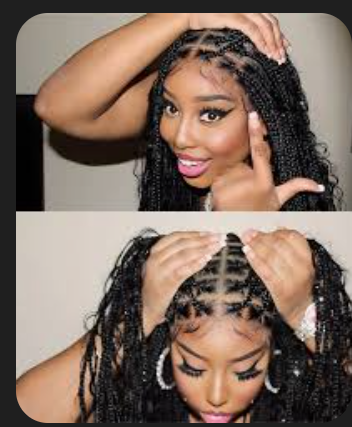
Toxic Braids: Nigeria’s $429m Synthetic Hair Market Poses Cancer And Fertility Risks.
Nigeria’s booming $429 million synthetic hair industry is under scrutiny as mounting evidence reveals serious health risks linked to its widespread use. Research has uncovered that synthetic braids, a staple in the beauty routines of millions of Nigerian women, contain harmful chemicals, including carcinogens and heavy metals, raising alarms about cancer and fertility issues.
Studies, including a recent Consumer Reports investigation, have identified volatile organic compounds (VOCs) and lead in popular synthetic hair brands such as Sensationnel, Magic Fingers, and Shake-N-Go. These chemicals, known as endocrine disruptors, can interfere with hormone balance, impair egg quality, and disrupt menstrual cycles, posing significant risks to women’s reproductive health. Prolonged exposure to lead, found in nine out of ten tested products, increases the risk of miscarriage, preterm birth, and developmental issues in babies when passed from mother to foetus. VOCs, including benzene—a known carcinogen—can be absorbed through the scalp, inhaled, or ingested via hand-to-mouth contact, amplifying health concerns.
The health implications are particularly alarming given Nigeria’s cancer burden, with the 2022 Global Cancer Observatory reporting 127,763 new cases and 79,542 deaths, predominantly from breast cancer among women. Experts, including Lagos-based stylist Abasi-Ubong, have linked the rising incidence of cancer and reproductive health challenges to the unchecked use of unregulated synthetic hair products. “Most users, especially in rural areas, are unaware of the dangers,” Abasi-Ubong said, criticising the National Agency for Food and Drug Administration and Control (NAFDAC) for failing to regulate beauty products effectively. He urged NAFDAC and the Standards Organisation of Nigeria to test and restrict harmful chemicals in synthetic braids, as they do with substandard drugs.


The synthetic hair market, driven by affordability and convenience, thrives in Nigeria, where braiding is a cultural and practical choice for many women. Funmilola Olafimihan, a 26-year-old hairdresser in Mushin, Lagos, highlighted the accessibility of synthetic braids, available in local markets and online, but expressed concern about their safety. “We use these products daily, but no one tells us about the risks,” she said. The industry’s reliance on materials like Kanekalon, a synthetic fibre processed by dyeing and styling, has been flagged as a source of toxic exposure, with manufacturers distancing themselves from responsibility for the final products.
Health advocates are calling for urgent action, including stricter regulations and public awareness campaigns to educate consumers about the dangers. Ekrikpo, a public health researcher, stressed the disproportionate impact on Black women, who show higher concentrations of these chemicals in their bodies due to frequent braid use. He advocated for plant-based hair alternatives and mandatory testing of imported hair products to curb the influx of toxic materials.
Oxfam and other organisations have echoed these concerns, noting that Nigeria’s informal beauty sector, which employs millions, needs better oversight to protect both practitioners and consumers. Proposals include labelling requirements for synthetic hair products and subsidies for safer, natural alternatives to reduce reliance on hazardous materials.
As Nigeria grapples with this hidden health crisis, the call for reform is growing louder. With millions of women at risk, stakeholders are pressing for immediate steps to regulate the synthetic hair industry, ensuring that beauty does not come at the cost of health. The shift towards safer practices could safeguard Nigeria’s women while preserving the cultural significance of braiding.[](https://guardian.ng/featured/toxic-braids-cancer-fertility-risks-trail-nigerias-429m-synthetic-hair-obsession/)[](https://www.nbcnews.com/news/nbcblk/synthetic-hair-carcinogens-lead-braids-extensions-black-women-rcna194213)[](https://www.theguardian.com/fashion/2025/jun/07/black-women-synthetic-braids-toxic)