


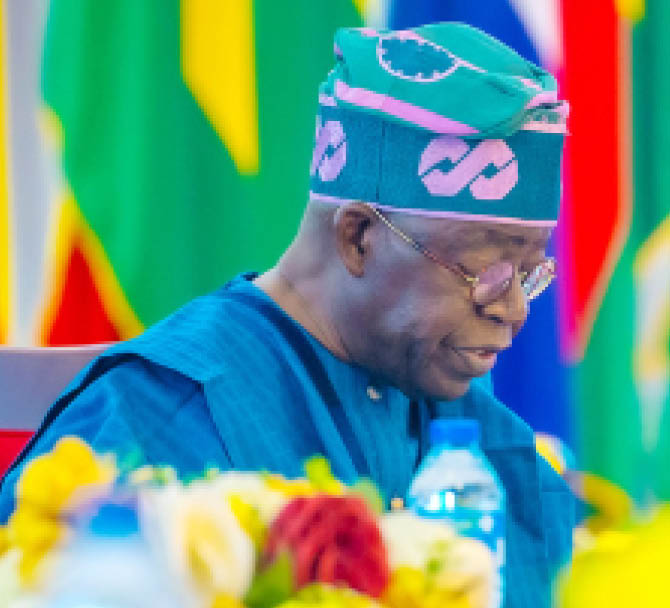
Tinubu’s Reforms Rescued Nigeria’s Economy From Collapse, Says Soludo, But Challenges Remain.
Anambra State Governor Charles Soludo has praised President Bola Tinubu’s economic reforms, crediting them with saving Nigeria from the brink of economic collapse. Speaking at The Platform, a policy and leadership forum hosted by The Covenant Nation in Lagos on Thursday, 12 June 2025, the former Central Bank of Nigeria (CBN) governor described the reforms as “audacious” and essential for stabilising a critically ailing economy. However, he cautioned that significant challenges lie ahead in achieving sustainable growth.
Soludo, addressing a high-profile audience that included former INEC Chairman Attahiru Jega and former Minister Babatunde Fashola, likened Nigeria’s economy in May 2023, when Tinubu assumed office, to a “standing dead horse.” He highlighted the perilous state of public finances, which were teetering on the edge of insolvency, risking catastrophic consequences such as mass retrenchment and unpaid salaries or pensions. “The audacious structural reforms embarked upon by the current administration of His Excellency Bola Ahmed Tinubu have rescued the economy from the tipping point,” Soludo declared.


Key among Tinubu’s reforms were the removal of petrol subsidies and the unification of Nigeria’s multiple foreign exchange rates, policies Soludo described as “long overdue” and necessary to allow the economy to “breathe again.” These measures, though painful, have restored investor confidence and attracted endorsements from global institutions such as the World Bank, the International Monetary Fund (IMF), and credit rating agencies like Fitch and Moody’s. Soludo, who has previously criticised the World Bank and rejected its loans due to unfavourable terms, acknowledged that these institutions were “largely right” in their positive assessment of Nigeria’s reform trajectory.
The governor’s remarks come amid a mixed economic picture. A World Bank report noted Nigeria’s GDP grew by 3.4% in 2024, the highest in a decade, while foreign reserves have risen to $38 billion, and the debt-service-to-revenue ratio has dropped from nearly 100% to below 60%. However, the reforms have also triggered significant hardship, with inflation soaring to a 30-year high of nearly 34% and petrol prices tripling, exacerbating the cost-of-living crisis. Soludo acknowledged the pain, warning that stabilising the economy would remain a “painful process” due to persistent issues like high inflation and weak infrastructure.
Despite the progress, Soludo stressed that Nigeria faces a “long list” of unresolved challenges, including energy reform, poverty, insecurity, and corruption. He urged critics to offer rigorous, evidence-based alternatives rather than superficial commentary. “It’s always easy when you’re not the one doing the work,” he quipped, adding, “People say ‘just fix electricity’, as though there’s a tap somewhere you just switch on.” The governor also called for a national ethical and ideological rebirth, arguing that sustainable development requires strong institutions, ethical leadership, and a cultural shift away from glorifying unearned wealth.
Soludo praised initiatives like the federal government’s NELFUND student loan scheme and Anambra’s One Youth, Two Skills programme, which aim to invest in youth and foster a sense of civic responsibility. “The shortest answer is to give the citizens stakes in the society by investing in their future,” he said. He urged President Tinubu to stay the course, while encouraging Nigerians to engage in a national conversation to promote values of hard work, integrity, and productivity.
The governor’s remarks have sparked varied reactions. Supporters on social media platform X hailed Soludo’s candid endorsement of Tinubu’s reforms, with one user noting, “Coming from a respected economist, this isn’t political flattery — it’s fact.” Critics, however, argue that the reforms have deepened poverty, with some questioning the lack of transparency in how savings from subsidy removal are being utilised.
As Nigeria marks 26 years of democracy, Soludo’s speech underscores the delicate balance between immediate economic pain and long-term stability. While Tinubu’s reforms have laid a foundation for recovery, the road ahead remains fraught with challenges, requiring sustained political will and public patience to deliver on the promise of a prosperous future.