


Tinubu Seeks $347m Extra Loan For Lagos-Calabar Coastal Highway, Igniting Debate.
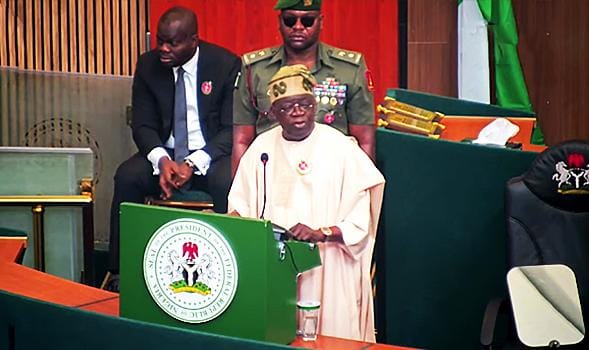
President Bola Tinubu has sparked controversy by requesting the Nigerian House of Representatives to approve an additional $347 million loan to fund the Lagos-Calabar Coastal Highway and a telecommunications project, as part of amendments to the 2025–2026 External Borrowing Plan. The request, outlined in a letter read by Speaker Tajudeen Abbas during Wednesday’s plenary, has fuelled intense discussions among lawmakers and citizens over Nigeria’s rising debt and the transparency of the ambitious infrastructure initiative.


The proposed loan allocates $47 million to address a funding shortfall for the Lagos-Calabar Coastal Highway, raising its total financing to $747 million. The remaining $300 million is designated for the Nigeria Universal Communication Access Project, which aims to deploy 7,000 telecommunication towers to provide mobile access to over 21 million people across 4,834 unconnected communities in Nigeria’s remote and underserved regions. The letter, signed by Finance Minister Wale Edun, explained that the highway’s initial $700 million financing, coordinated by Deutsche Bank, was insufficient due to commitments from export credit agencies, necessitating the additional funds to meet the project’s financial agreements.
The Lagos-Calabar Coastal Highway, a cornerstone of Tinubu’s administration, has drawn both praise and criticism. Proponents, including the Ministry of Finance, hail it as a transformative project poised to establish Nigeria as a West African logistics hub, with the $747 million loan marking the largest ever secured for a Nigerian road infrastructure project. Spanning 700 kilometres from Lagos to Calabar, the highway is expected to enhance connectivity, trade, and economic growth, particularly in the oil-rich Niger Delta. However, critics, including opposition leader Atiku Abubakar, have raised concerns about the project’s transparency, pointing to its award to Hitech Construction Company, owned by Gilbert Chagoury, a known associate of Tinubu. Questions have also surfaced about the project’s environmental impact and its cost amid Nigeria’s ongoing cost-of-living crisis.
The telecommunications project, initially overlooked in the borrowing plan, is seen as a vital step toward bridging Nigeria’s digital divide. By improving connectivity in underserved areas, the initiative aligns with Tinubu’s Renewed Hope Agenda to drive sustainable economic growth. The House of Representatives approved the request on Wednesday, following a report from the Committee on Aids, Loans, and Debt Management, chaired by Hon. Abubakar Nalaraba. The committee noted that Nigeria’s debt-to-GDP ratio, at approximately 50%, remains within the international threshold of 56%, and the loans are concessional with repayment terms spanning 20 to 35 years.
Public sentiment is divided, with some Nigerians expressing frustration over the nation’s growing debt, which reached $149.39 billion (₦149.39 trillion) by March 2025. Social media platforms have been abuzz, with users questioning the need for further borrowing while others defend the projects as essential for long-term development. The Senate, which approved Tinubu’s broader $21.19 billion borrowing plan on Tuesday, also endorsed additional loans of $4 billion, ¥15 billion, and a $65 million grant, alongside $757 billion in domestic borrowing through government bonds.
The coastal highway controversy deepened earlier this year when American investors, under the Association of Nigerians in Diaspora, claimed their $250 million real estate investment in Okun Ajah, Lagos, was demolished to make way for the project, despite having all necessary approvals. They called on Tinubu to intervene, warning that such actions could discourage foreign investment.
As Nigeria pursues its ambitious infrastructure goals, Tinubu’s administration remains resolute, with the president insisting that the highway and other legacy projects adhere to due process. With the National Assembly’s approval secured, attention now turns to the execution of these initiatives, which the government claims will deliver lasting economic benefits. Nevertheless, the debate over transparency, cost, and Nigeria’s debt burden is set to persist, as citizens await concrete results from these high-stakes investments.