


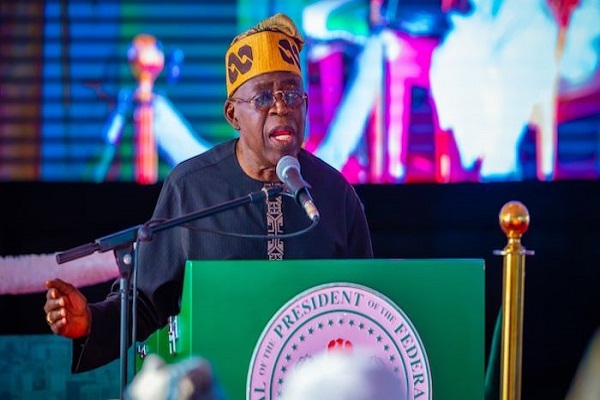
President Tinubu Vows To End Strikes By ASUU And Tertiary Institution Unions.
President Bola Tinubu has issued a resolute directive to prevent future strikes by the Academic Staff Union of Universities (ASUU) and other trade unions in Nigeria’s tertiary institutions, according to the Minister of Education, Dr Tunji Alausa. Speaking on 29 July 2025 during an interview on Channels Television’s *Politics Today*, Alausa revealed the President’s commitment to ensuring uninterrupted academic calendars across the country’s universities, polytechnics, and colleges of education. The announcement signals a bold step towards addressing the long-standing issue of industrial actions that have disrupted Nigeria’s higher education sector for decades.


Dr Alausa emphasised that the Tinubu administration is prioritising dialogue and relationship-building with academic unions, including ASUU, the Colleges of Education Academic Staff Union (COEASU), the Non-Academic Staff Union of Educational and Associated Institutions (NASU), and the Senior Staff Association of Nigerian Universities (SSANU). “The President has directed that not again, and I’ll borrow your word, not again ever in this country will ASUU or tertiary institution trade unions go on strike,” Alausa stated. He highlighted the government’s efforts to meet its obligations to these unions, addressing past failures where agreements were not honoured, which often triggered strikes.
The minister’s remarks come amid recent progress in stabilising Nigeria’s tertiary education sector. Since President Tinubu assumed office in May 2023, there have been no major ASUU strikes, a significant departure from previous years when industrial actions disrupted academic activities for months. For instance, ASUU’s eight-month strike in 2022, the longest in its history, halted university operations nationwide. The Tinubu administration’s proactive measures, including the removal of universities from the Integrated Payroll and Personnel Information System (IPPIS) and the approval of the University Transparency and Accountability Solution (UTAS), have been credited with fostering stability.
Alausa also addressed recent concerns about delayed salary payments to tertiary institution staff, apologising for the inconvenience and assuring that the government is working with the Ministry of Finance to ensure timely disbursements. “We are working assiduously to meet their requests,” he said, noting that salaries would ideally be paid before the end of each month. This follows ASUU’s threat earlier in July 2025 to escalate action if June and July salaries remained unpaid, a situation now being addressed.
The government’s broader reforms include the *Bridge Initiative*, a digital platform to connect Nigerian diaspora professionals with local tertiary institutions, enhancing research and teaching quality. Additionally, the appointment of 555 governing board members for 111 federal universities, polytechnics, and colleges of education in May 2024 has strengthened institutional governance, addressing another key ASUU demand. The National Association of Nigerian Students (NANS) has praised these efforts, noting improved stability in the academic calendar since Tinubu took office.
The President’s directive has been met with cautious optimism. Posts on X reflect public support for the government’s stance, with many commending the focus on preventing disruptions that affect students’ education. However, ASUU and other unions have historically demanded better funding, improved welfare, and university autonomy, and their response to the government’s latest commitment will be closely watched.
As Nigeria strives for a more stable and globally competitive tertiary education system, President Tinubu’s pledge to end strikes marks a pivotal moment. By fostering dialogue, honouring agreements, and investing in education, the administration aims to ensure that students can pursue their studies without the setbacks of industrial action, paving the way for a brighter future for the nation’s youth.