


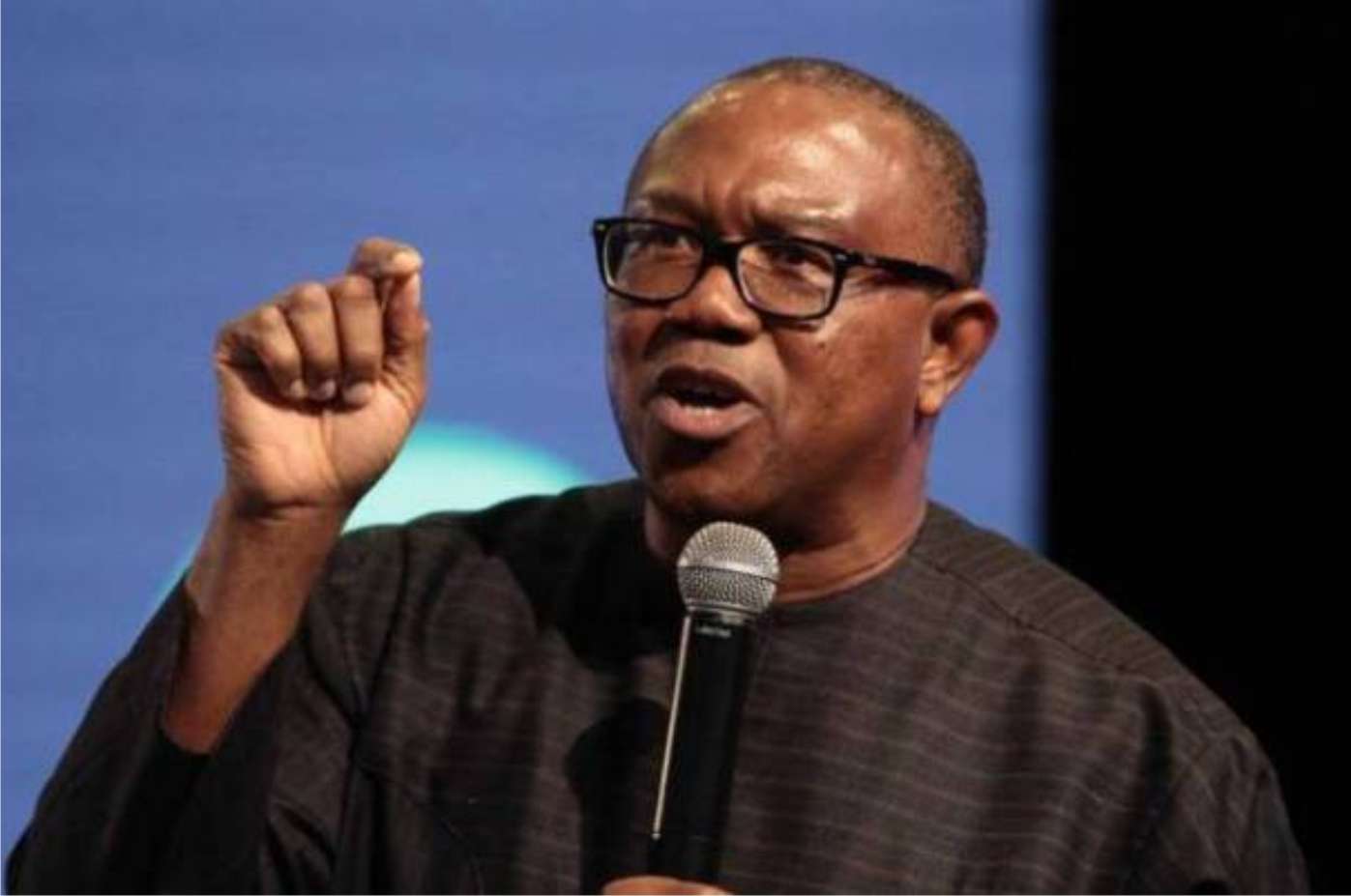
Peter Obi Declares Nigeria No Longer A Democracy, Citing Erosion Of Key Institutions.
Peter Obi, the Labour Party’s presidential candidate in the 2023 general election, has declared that Nigeria is no longer a democratic nation, accusing the current administration under President Bola Tinubu of dismantling the country’s democratic foundations. Speaking during an appearance on Arise TV’s Prime Time programme on 1 April 2025, Obi argued that Nigeria lacks the fundamental tenets of democracy, including a functional legislature, an independent judiciary, and elections that reflect the will of the people.
Obi, a former governor of Anambra State, stated, “There is no democracy in Nigeria today. Nigeria is not a democratic country. Let’s stop telling ourselves lies. If you look at all the tenets and yardsticks measuring democracy, it doesn’t exist here.” He emphasised that democracy, defined as “government of the people, by the people, and for the people,” is absent in Nigeria, claiming that the current government neither represents the people’s choice nor serves their interests. “It’s not by the people because the people didn’t vote. It wasn’t their votes,” he asserted, referencing alleged irregularities in the 2023 presidential election and subsequent polls, such as the Edo State election.


The former governor highlighted the lack of an effective legislature and an independent judiciary as critical failures. “You cannot have a democracy without a functional and effective legislature, which we don’t have today. You cannot have democracy without an independent judiciary that fights for the common person,” Obi said. He further accused the government of suppressing dissent and restricting free speech, noting that individuals have been detained for expressing critical views. “We are harassed every day. There’s no freedom of speech,” he added.
Obi’s remarks come amid ongoing concerns about Nigeria’s democratic institutions. He cited the controversial declaration of a state of emergency in Rivers State and the suspension of Governor Siminalayi Fubara as examples of actions undermining democratic principles. He also criticised the government’s priorities, pointing to the expenditure of N21 billion to renovate the vice president’s residence while basic needs, such as primary healthcare and education for displaced persons, remain unmet. “They begged me for just one nurse, which I promised to help provide. They don’t even have a primary school,” Obi said, recounting a visit to an internally displaced persons (IDP) camp.
In a scathing Democracy Day address on 12 June 2024, Obi had previously warned that Nigeria’s democratic essence was eroding, with systemic corruption, rising poverty, and insecurity worsening under the current administration. He claimed that Nigeria’s global democracy index score of 4.23 and its 145th ranking on the Corruption Perception Index reflect a nation grappling with governance failures.
Obi’s outspoken criticism has sparked varied reactions. Supporters on platforms like X have echoed his sentiments, with posts describing Nigeria’s democracy as “collapsed” and praising Obi’s call for reform. Critics, however, including presidential aide Daniel Bwala, have dismissed his remarks as ineffective opposition rhetoric. The Tinubu administration has yet to respond directly to Obi’s latest statements, though it previously warned him against inflammatory comments.
Drawing from his experience as Anambra governor, Obi contrasted the current political climate with past administrations, recalling how former Presidents Olusegun Obasanjo and Umaru Yar’Adua respected judicial processes during his legal battles to secure his mandate. “I became a governor through the courts without paying one naira. That cannot happen in Nigeria today,” he lamented, suggesting that judicial independence has significantly declined.
Obi’s call for a “new Nigeria” includes comprehensive electoral reforms to restore public faith in the democratic process. He urged Nigerians to resist vote-buying and demand accountability, drawing inspiration from South Africa’s transparent electoral system, which he praised for its 60% voter turnout and real-time result updates during its 2024 elections. “The time for action is now,” Obi stressed, advocating for a system where every citizen’s voice is heard and respected.
As Nigeria navigates these challenges, Obi’s remarks have reignited debates about the state of its democracy, with many calling for urgent reforms to address systemic issues.