

NNPC Considers Selling Refineries As Rehabilitation Challenges Mount, Says Ojulari.
The Nigerian National Petroleum Company (NNPC) Limited is contemplating the sale of its state-owned refineries in Port Harcourt, Warri, and Kaduna, as ongoing rehabilitation efforts face significant hurdles, according to Group Chief Executive Officer Bayo Ojulari. Speaking at the 9th OPEC International Seminar in Vienna, Austria, on 10 July 2025, Ojulari revealed that a strategic review of the company’s refinery operations is underway, with a decision expected by the end of the year. The potential sale marks a pivotal shift for Nigeria’s oil sector, which has struggled to revive its ageing refineries despite substantial investments.

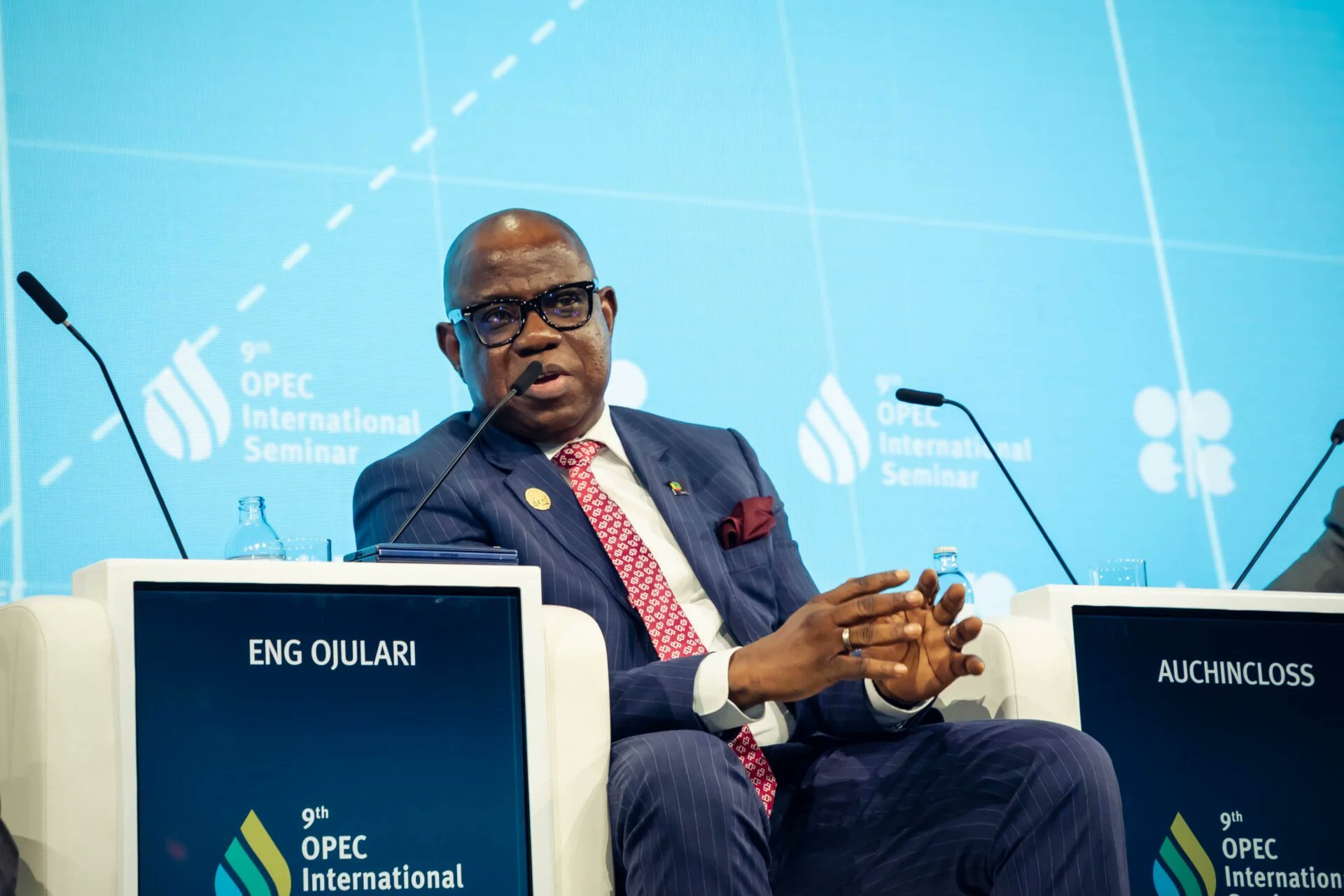
Ojulari acknowledged the complexities of refurbishing the facilities, noting that the technologies deployed have underperformed and the infrastructure’s age has compounded challenges. “We’ve invested significantly in the refineries over recent years and introduced various technologies, but some have not delivered as expected,” he told Bloomberg. “Refurbishing ageing refineries that have been idle for long periods has proven far more complex than anticipated.” The Port Harcourt refinery briefly resumed operations on 26 November 2024 but was shut down in May 2025 for maintenance, while rehabilitation work continues at the Warri and Kaduna facilities.


The NNPC has spent over $18 billion on turnaround maintenance for the three refineries, yet none are currently operational, prompting calls for a new approach. Ojulari stated that all options are on the table, including divestment. “Sale is not out of the question,” he said, emphasising that the ongoing review will determine the best course of action. This stance aligns with comments from industry figures like Aliko Dangote, who recently expressed doubts about the refineries’ viability, and former President Olusegun Obasanjo, who noted that expert opinions from international oil companies, including Shell, suggest the facilities may be beyond repair.
Beyond the refinery challenges, Ojulari highlighted the high cost of crude oil production in Nigeria, which ranges between $25 and $30 per barrel, driven partly by significant investments in pipeline security. “We have 100% pipeline availability today, but that came at a considerable cost,” he explained. He remains optimistic, however, projecting that production costs could decrease with greater sector stability. The NNPC is also targeting an increase in oil output to 1.9 million barrels per day by the end of 2025, a goal Ojulari believes is achievable despite current obstacles.
The potential sale of the refineries has sparked mixed reactions. Some industry analysts view it as a pragmatic move to cut losses and focus on more viable ventures, such as NNPC’s stake in the Dangote Refinery, which produces 50% of Nigeria’s petrol needs. Others, however, express concern over the implications for energy security, given Nigeria’s reliance on imported fuel. Posts on X reflect public sentiment, with some questioning the consistency of criticising past proposals to sell the refineries while now considering the same strategy.
Ojulari’s leadership, following his appointment in April 2025, is seen as a critical juncture for NNPC. The company, which transitioned to a limited liability entity in 2022 under the Petroleum Industry Act, is also eyeing a potential stock market listing by 2028. The review’s outcome will likely shape Nigeria’s oil and gas strategy, balancing the need for efficiency with the demands of domestic energy supply. As the nation awaits the results, the prospect of privatising these long-troubled assets signals a bold step towards addressing decades-old challenges in the sector.