


Nigeria’s Public Schools Left In The Dust As Government Fumbles ICT Progress.
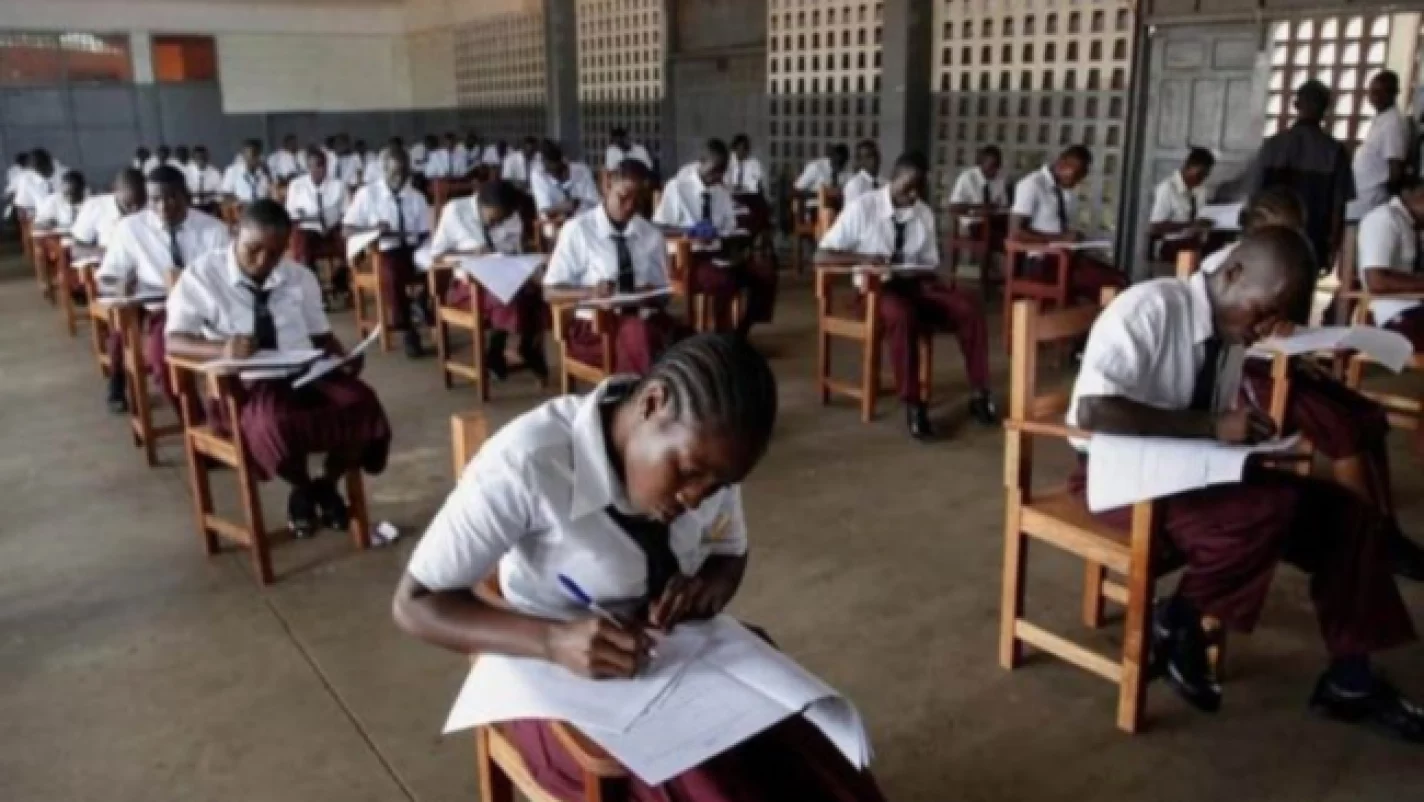
Nigeria’s public education system is rotting under the weight of gross mismanagement, with a damning 2023 report exposing that fewer than 30% of public primary and secondary schools have functional computer labs. This leaves millions of pupils stranded without the digital skills needed for a modern world, a crisis laid bare by furious posts on X that highlight the Federal Government’s shameful neglect. While private schools parade cutting-edge tech, the 22.7 million children packed into public primary schools in 2019 are forced to make do with chalkboards and outdated textbooks, their ICT education reduced to theoretical drivel scribbled in notebooks.
The government’s half-hearted attempts to address this disaster are little more than window dressing. Lagos State’s much-hyped distribution of 1 million ICT devices in 2021 is a drop in the ocean, undermined by chronic power outages, untrained teachers, and the rampant theft of equipment—a problem authorities conveniently ignore. Rural schools, where a measly 6.6% of the population has reliable internet compared to 16.4% in urban areas, are left to fend for themselves, deepening Nigeria’s already cavernous digital and economic divide.


Ministers and officials prattle on about a “digital revolution,” yet education budgets are either slashed or siphoned off through corrupt channels. Partnerships like the Llama Impact Accelerator with Meta, announced in 2025, reek of publicity stunts, offering little tangible benefit to the average public school pupil. Meanwhile, edtech startups—accounting for 28% of Africa’s education tech market—are forced to clean up the government’s mess, with groups like Elixir Gold Outreach Foundation struggling to establish ICT centres in a handful of schools while the state sits idle.
This isn’t just incompetence; it’s a betrayal of Nigeria’s youth. The absence of trained ICT teachers and the failure to maintain or protect existing facilities expose a leadership more interested in self-preservation than progress. As pupils memorise obsolete ICT concepts without ever touching a computer, the government’s inaction ensures Nigeria’s future workforce is doomed to lag behind in a global economy that demands digital fluency. Until those in power stop treating education as a political football and tackle the rot of corruption and neglect, Nigeria’s public schools will remain a monument to squandered potential, and its children will bear the brunt of this disgraceful governance.