


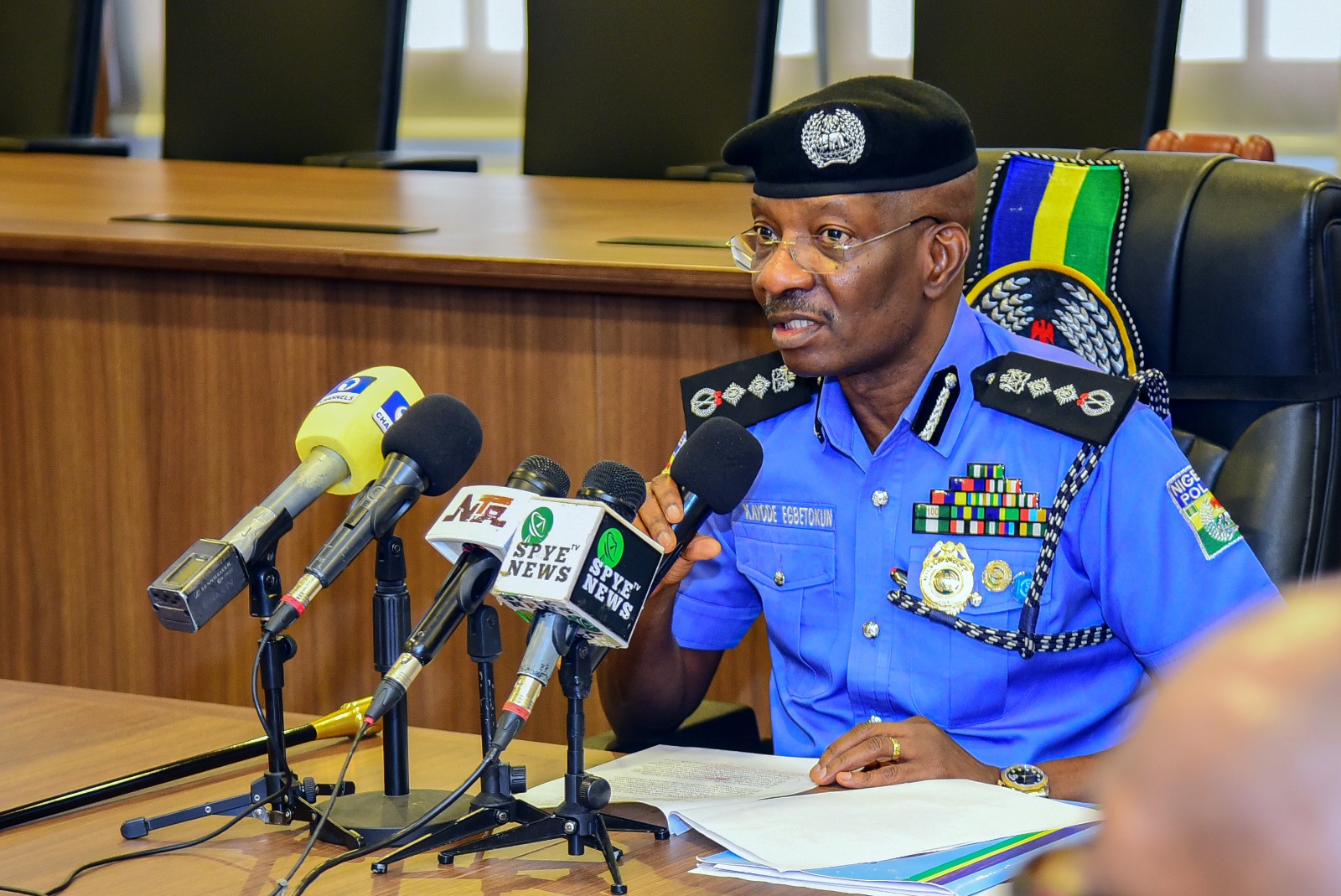
Nigerian Police Chief Calls for Global Action As Cattle Rustling Becomes Sophisticated Crime.
Nigeria’s Inspector-General of Police, Kayode Egbetokun, has raised the alarm over the transformation of cattle rustling in West Africa from a rural nuisance into a sophisticated criminal enterprise that fuels terrorism and threatens regional security. Speaking at the 27th INTERPOL African Regional Conference in Cape Town on Thursday, 28 August 2025, Egbetokun urged international collaboration to tackle the escalating issue, which he linked to broader dangers, including the spread of chemical, biological, radiological, nuclear, and explosive (CBRNE) materials.
In a statement issued by police spokesperson Olumuyiwa Adejobi, Egbetokun highlighted how cattle rustling has evolved into a highly organised crime, financing armed groups and cross-border criminal networks. He noted that a single raid of 200 cattle, each valued at approximately $300, can generate $60,000 overnight, with proceeds often laundered through informal markets to fund improvised explosive devices (IEDs) and small arms. In Nigeria’s North-West and the Lake Chad Basin, groups like Boko Haram and ISWAP exploit this illicit trade, imposing “cattle taxes” and reselling stolen livestock to sustain their operations.


The Inspector-General also warned of the nexus between cattle rustling and public health risks, citing the spread of zoonotic diseases such as anthrax and brucellosis through illegal cattle movements. Additionally, smuggling routes used for livestock are being exploited to traffic radiological materials, posing a significant CBRNE threat. To combat this, Egbetokun proposed a six-point strategy, including intelligence sharing, livestock market reforms, anti-money laundering frameworks, enhanced border cooperation, community partnerships, and preparedness for CBRNE incidents.
Nigeria has already taken steps to address the issue, with operations like Puff Adder and Hadarin Daji targeting cattle-rustling gangs in the North-West. The Nigeria Police Force collaborates with the Nigerian Financial Intelligence Unit (NFIU) to track illicit proceeds and employs drones, geo-mapping tools, and biometric livestock tagging in high-risk areas. Community engagement has also been prioritised, with traditional rulers, vigilante groups, and pastoralist associations integrated into early-warning systems to bolster grassroots intelligence.
On the sidelines of the conference, Egbetokun held strategic meetings with INTERPOL President Major General Dr Ahmed Naser Al-Raisi and Secretary-General Valdecy Urquiza, discussing enhanced border security, access to global policing databases, and real-time information exchange to counter terrorism financing. He also met a Brazilian delegation, agreeing to deepen Nigeria–Brazil police cooperation in intelligence sharing, combating organised crime, and building capacity to mitigate CBRNE threats.
Egbetokun’s call for a continent-wide and global alliance to secure Africa’s livestock trade and protect rural communities has been hailed as a vital step towards addressing a growing security challenge. By tackling cattle rustling’s role in funding extremism and destabilising regions, Nigeria aims to lead efforts in fostering peace and resilience across Africa.