


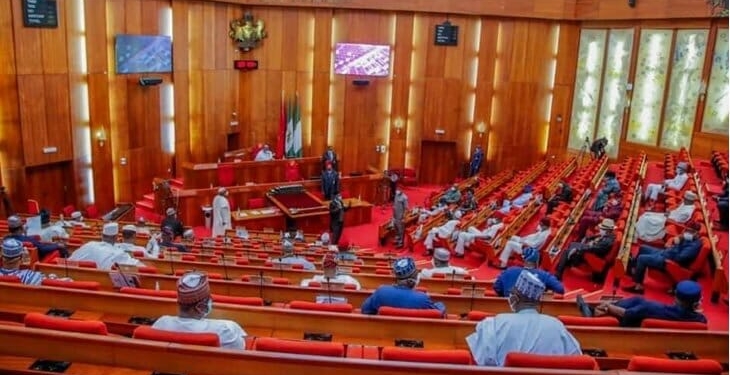
Nigerian Lawmakers Champion Bill For 182 Women-Only Legislative Seats.
The Chairman of the House of Representatives Committee on Women Affairs and Social Development, Hon. Kafilat Ogbara, has urged Nigerians to back a transformative bill that would create 182 additional legislative seats reserved exclusively for women. Speaking at a press briefing in Abuja on Tuesday, 29 July 2025, Ogbara described the legislation as a vital step towards addressing the longstanding underrepresentation of women in Nigeria’s governance structures.
The Reserved Seats for Women Bill, officially titled Constitution Alteration Bill HB 1349, proposes adding one seat per state and the Federal Capital Territory (FCT) in both the Senate and House of Representatives, totalling 74 seats at the federal level. Additionally, it allocates three seats for women in each of the 36 State Houses of Assembly, contributing another 108 seats. Ogbara, who also chairs the Reserved Seats Bill Committee, emphasised that the initiative is not merely about increasing numbers but about ensuring women’s voices shape policies that impact their lives and communities. “This bill is a commitment to building a future where every woman has the opportunity to contribute to our nation’s governance,” she said.


Nigeria currently ranks 178 out of 182 countries on the Inter-Parliamentary Union’s global index for women in national parliaments, with only 20 female federal lawmakers—four senators and 16 House members—out of 469. At the state level, just 55 of 990 elected lawmakers are women. Ogbara highlighted that this stark imbalance undermines Nigeria’s democratic progress and international standing. “Despite women constituting nearly half our population, their representation in decision-making remains alarmingly low,” she noted, aligning the bill with the United Nations’ Sustainable Development Goal 5 on gender equality.
Support for the bill has gained momentum, with the United Nations Development Programme (UNDP) and civil society organisations rallying behind it. UNDP Nigeria Country Representative, Ms Elsie Attafuah, praised the 10th National Assembly for championing the legislation, calling it a “defining moment” in Nigeria’s democratic journey. She cited the resilience of Nigerian women, referencing the Super Falcons’ recent victory at the Women’s Africa Cup of Nations as evidence of their potential to excel when given opportunities. Princess Nikky Onyeri, Secretary-General of the Association of Women Traditional Title Holders, described the bill as “timely and critical,” arguing that including more women in leadership would boost economic growth and national development.
Senator Ireti Kingibe, Chairperson of the Senate Committee on Women Affairs, urged women across Nigeria to mobilise support, noting that the country’s low female representation has cost it international recognition. “This isn’t just about women; it’s about unlocking Nigeria’s full potential for sustainable development,” she said. The bill also includes provisions to ensure representation for young women, women with disabilities, and those from marginalised communities, reinforcing its commitment to inclusivity.
This is not the first attempt to address gender disparities in Nigeria’s legislature. A similar bill in the 9th National Assembly in 2022, proposing 111 special seats, failed to secure the required two-thirds majority. To avoid a repeat, House Speaker Abbas Tajudeen has established a Joint Working and Strategy Advocacy Committee to engage governors, traditional rulers, and grassroots stakeholders. Ogbara also revealed she is sponsoring a separate bill to mandate 15% female representation in Nigeria’s security agencies, including the Police and Armed Forces.
As the bill progresses, advocates are optimistic about its potential to reshape Nigeria’s political landscape. “Let’s reserve the seats for women, for the table to be stronger,” Ogbara declared, calling on citizens, civil society, and the media to unite behind the cause. With President Bola Tinubu’s gender-sensitive leadership and strong backing from House leadership, supporters believe this could be a historic moment for gender equity in Nigeria.