


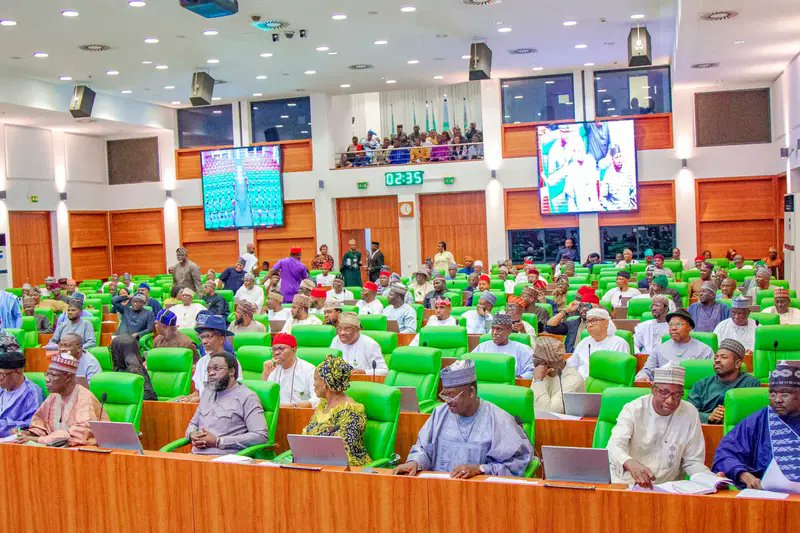
Nigerian House Of Representatives Proposes Single-Day Elections For 2027.
The Nigerian House of Representatives has put forward a bold proposal to hold all major elections on a single day in 2027, a transformative reform outlined in the proposed Electoral Act 2025. If approved, the legislation would empower the Independent National Electoral Commission (INEC) to conduct presidential, senatorial, House of Representatives, governorship, and state assembly elections simultaneously, streamlining the nation’s electoral process. This ambitious move, aimed at enhancing efficiency and reducing costs, marks a significant step towards reshaping Nigeria’s democratic landscape.
The bill, officially titled “A Bill for an Act to Repeal the Electoral Act No 13, 2022 and to Enact the Electoral Act 2025,” passed its second reading in the House on 28 July 2025. Sponsored by Bayo Balogun, Chairman of the House Committee on Electoral Matters, it introduces several key reforms to modernise and strengthen Nigeria’s electoral framework. Among the proposed changes is a requirement for political associations seeking registration as political parties to pay a N50 million administrative fee, aimed at ensuring only serious contenders enter the political arena. Additionally, the bill mandates that elections be held 120 days before the expiration of current officeholders’ terms, with election petitions resolved within 90 days post-vote to expedite judicial processes.


A significant aspect of the proposed reforms addresses the issue of frequent by-elections triggered by the resignation or death of state and National Assembly members. The House suggests that the political party of the departing or deceased member should nominate their successor, eliminating the need for costly by-elections. INEC would issue certificates of return to these replacements, provided parties adhere to the stipulated procedure, further reducing logistical burdens on the electoral body.
The bill also introduces stricter campaign finance regulations to curb excessive spending. Presidential candidates would face a spending cap of N10 billion, while governorship candidates would be limited to N3 billion, an increase from the N1 billion cap in the 2022 Electoral Act. Other limits include N500 million for Senate candidates, N250 million for House of Representatives candidates, N30 million for State Assembly and local government chairmanship candidates, and N10 million for councillorship candidates. To ensure transparency, the bill prohibits any individual or organisation from contributing more than N500 million to a candidate’s campaign.
Further reforms aim to enhance internal party democracy and electoral integrity. Political parties must submit their registers at least 30 days before primaries, and only these registered members can serve as delegates. Political appointees are barred from acting as delegates or being voted for in party conventions. The bill also strengthens penalties for frivolous election petitions, with fines of up to N10 million for petitioners and their counsel if claims lack merit. Additionally, special voting arrangements will allow INEC officials, security personnel, journalists, and observers to vote before the main election day, improving neutrality and efficiency.
The proposal has sparked widespread discussion. Supporters, including civil society groups, argue that a single-day election would reduce costs, enhance voter participation, and simplify logistics for INEC, which has faced challenges managing staggered elections. The Nigerian Bar Association has endorsed similar reforms, noting their alignment with global democratic standards. However, critics on platforms like X express concerns about INEC’s capacity to handle simultaneous elections, citing past logistical issues and the need for robust technological infrastructure, such as the Bimodal Voter Accreditation System (BVAS).
The bill, currently at the committee stage, will undergo public hearings and further scrutiny before advancing to the Senate. If passed, it could mark a turning point for Nigeria’s electoral system, fostering greater efficiency and accountability. As the nation prepares for 2027, the proposed Electoral Act 2025 signals a commitment to strengthening democracy, with stakeholders closely monitoring its progress and potential impact.