


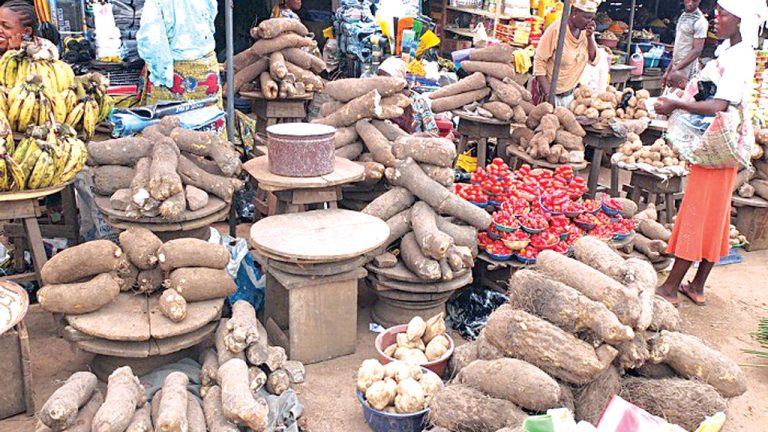
Nigerian Government Unveils Plan To Combat Food Insecurity Crisis Affecting 161 Million.
The Federal Government of Nigeria has raised a critical alarm over the escalating food insecurity crisis, revealing that approximately 161 million Nigerians are currently unable to access sufficient food. The announcement, made during a stakeholders’ meeting in Abuja on Friday, underscores the urgent need for action to avert a deepening food and nutrition crisis across the nation.
Alhaji Nuhu Kilishi, Director of the Nutrition and Food Safety Department at the Federal Ministry of Agriculture and Food Security, highlighted the severity of the situation, noting that only 20 per cent of Nigerians are currently food secure, meaning they can reliably access their next meal. He attributed the crisis to a combination of factors, including widespread insecurity, banditry, and kidnapping, which have significantly reduced agricultural production by limiting access to farmlands. Additionally, soaring inflation and rising costs of food inputs have made nutritious diets unaffordable for many households, exacerbating the issue.[](https://freedomonline.com.ng/161m-nigerians-now-food-insecure-fg/)

To address this alarming trend, the government is intensifying efforts through the development of a Food and Nutrition Security Crisis Preparedness Plan (FNSCPP), a strategic initiative supported by the World Bank-funded Accelerating Nutrition Results in Nigeria (ANRiN) project. The plan aims to enhance access to quality, cost-effective nutrition services for vulnerable populations. Among the key measures is the distribution of seeds and agricultural inputs to support homestead gardening across all 774 Local Government Areas, with World Bank funding secured for 21 states and federal resources allocated for the remaining 15.[](https://freedomonline.com.ng/161m-nigerians-now-food-insecure-fg/)
Mrs Ladidi Bako-Aiyegbusi, Director of Nutrition at the Federal Ministry of Health and Social Welfare, cited the 2021 National Food Consumption and Micronutrient Survey, which revealed that over 40 per cent of households cannot afford nutritious meals. This lack of access has contributed to Nigeria’s high maternal and child mortality rates and widespread clinical malnutrition. She stressed that the crisis requires a multisectoral response, involving agriculture, health, education, water resources, and security sectors, as directed by Vice President Kashim Shettima.[](https://freedomonline.com.ng/161m-nigerians-now-food-insecure-fg/)
The FNSCPP, described as a forward-looking strategy, aims to build long-term resilience rather than merely reacting to emergencies. With an initial $232 million commitment from the World Bank, the programme marks a shift towards preventive measures to strengthen Nigeria’s food systems. The government plans to finalise a comprehensive response plan within the next six months to guide future interventions and mitigate the risk of further crises.[](https://freedomonline.com.ng/161m-nigerians-now-food-insecure-fg/)
The announcement has sparked hope among stakeholders, with development partners, including the Food and Agriculture Organization (FAO) and UNICEF, pledging continued support. The collaborative effort is seen as a vital step towards addressing the root causes of food insecurity, such as conflict, economic hardship, and climate challenges, while fostering sustainable solutions to ensure Nigerians have access to adequate and nutritious food.
