


Nigeria Ends Bilateral Scholarships To Boost Local Education.
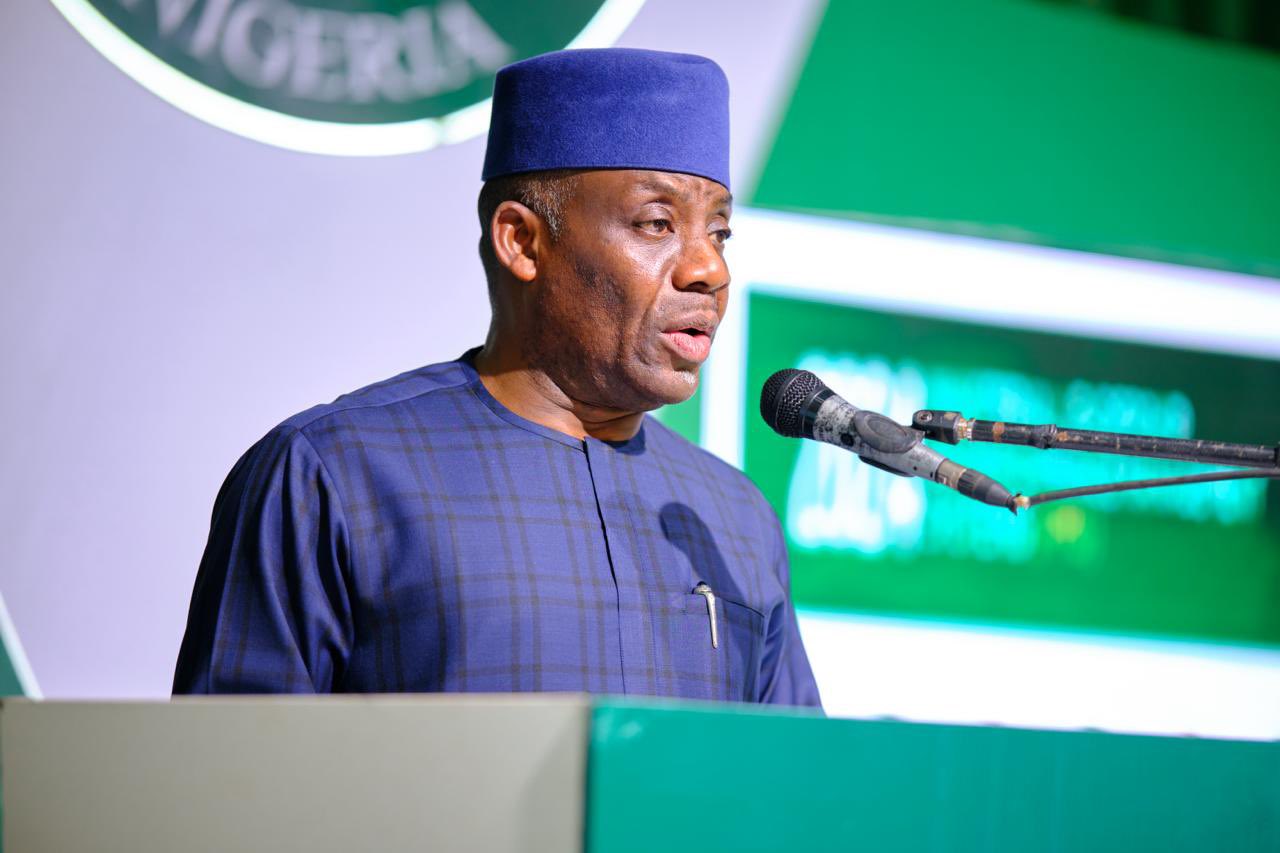
The Federal Government of Nigeria has terminated the Bilateral Education Agreement (BEA) Scholarship Programme, which funded overseas studies for Nigerian students, to prioritise investment in domestic universities and polytechnics. Education Minister Dr. Maruf Olatunji Alausa announced the decision, citing the need to realign the nation’s educational priorities.
During a press briefing in Abuja, Dr. Alausa stated that a comprehensive policy review found that courses offered through the BEA are now available, often at higher quality, in Nigeria’s tertiary institutions. “It is no longer justifiable to spend public funds on overseas studies when local alternatives exist,” he said, highlighting the significant costs of airfare, tuition, stipends, and living allowances.


The Minister described the move as a responsible and equitable approach to managing limited resources, with savings to be redirected to strengthen domestic institutions for broader access. However, Nigeria remains open to fully funded scholarships from foreign governments under bilateral or multilateral agreements, provided they cover tuition, accommodation, transport, healthcare, and a minimum monthly allowance of $500, without cost to Nigeria.
Dr. Alausa assured that current BEA beneficiaries will receive full support until they complete their studies, honouring existing commitments. The decision will not affect domestic initiatives like the Nigerian Scholarship Awards, the Federal Government Bursary for Education students, or the Presidential Scholarship for NYSC Ex-Corps Members. The government also plans to expand the interest-free Nigerian Student Loan Programme for local students.
Supporters of the decision, such as Dr. Fatima Bello, a professor at Ahmadu Bello University, argue it will enhance Nigeria’s educational infrastructure. “This is a chance to build world-class institutions at home,” she said. Critics, however, express concern about losing international exposure. “Global experience is invaluable,” said Tunde Adebayo, a former BEA recipient. “Local universities must match that standard.”
Dr. Alausa framed the policy as a step towards a self-reliant education system. “Our goal is equity, access, and sustainability, ensuring no Nigerian is left behind,” he concluded.