


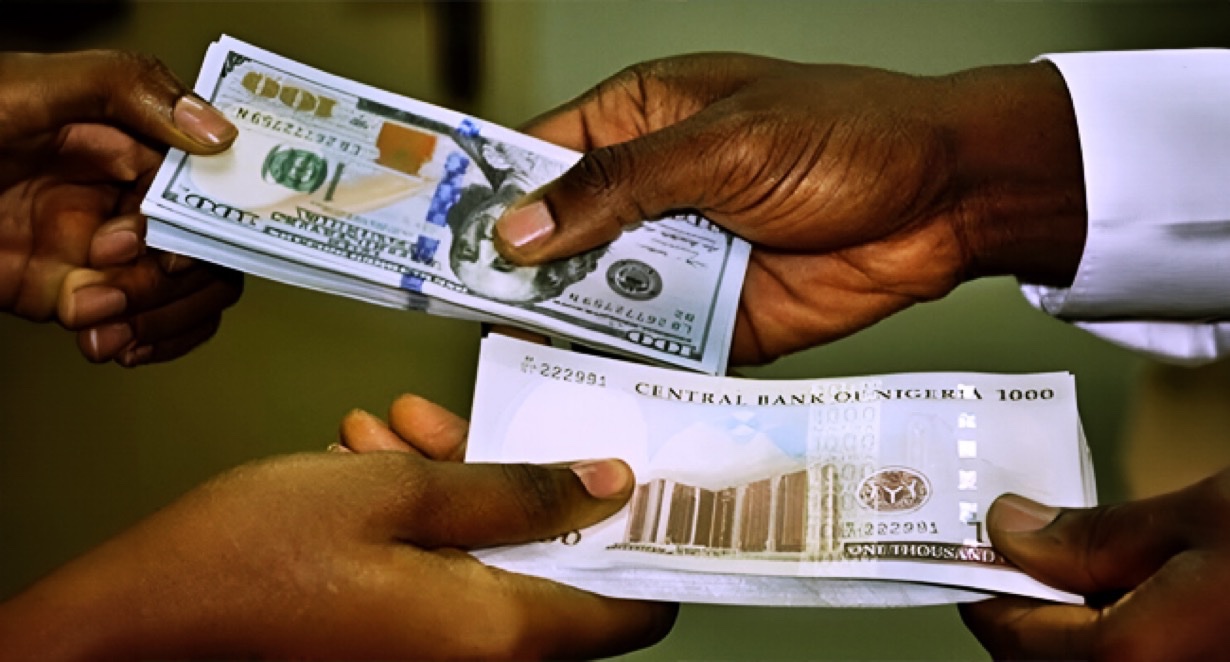
Naira Holds Steady Against Major Currencies On 14 July 2025.
The Nigerian Naira has shown resilience in the foreign exchange market, maintaining stable rates against major currencies including the US Dollar (USD), British Pound (GBP), and Euro (EUR) as of Monday, 14 July 2025. According to recent updates from financial sources, the Naira’s performance reflects a period of relative calm in Nigeria’s currency market, offering a glimmer of optimism amidst ongoing economic challenges.
In the official market, regulated by the Central Bank of Nigeria (CBN), the Naira is trading at approximately ₦1,527.56 to buy and ₦1,528.56 to sell against the US Dollar. Against the British Pound, the rates stand at ₦2,085.73 for buying and ₦2,087.10 for selling, while the Euro is pegged at ₦1,799.62 for buying and ₦1,800.80 for selling. These figures, reported earlier this month, indicate minimal fluctuations compared to recent weeks, suggesting a degree of stability in the official exchange framework.


On the parallel market, often referred to as the black market, the Naira’s rates show slight variations. The US Dollar is being bought at around ₦1,545 and sold at ₦1,555, while the Pound is trading at ₦2,140 to buy and ₦2,160 to sell. The Euro, meanwhile, is exchanging at approximately ₦1,785 for buying and ₦1,805 for selling. These rates, averaged across the country, reflect a modest strengthening of the Naira compared to earlier periods this year, with the currency holding its ground despite external pressures.
Financial analysts attribute this stability to recent policy measures by the Central Bank of Nigeria, including efforts to unify exchange rates and improve foreign exchange liquidity. Reports suggest that Nigeria’s external reserves are projected to reach $41 billion by the end of December 2025, bolstered by these gains. This positive outlook has been further supported by the resumption of international card transactions by Nigerian banks, facilitating smoother cross-border financial activities.
However, the parallel market continues to show higher volatility, with rates in some areas, such as Abuja’s Wuse Zone 4, reaching as high as ₦1,592 for buying and ₦1,610 for selling the US Dollar. Similar trends are observed for the Pound and Euro, with rates climbing to ₦2,050 and ₦1,720, respectively, in certain transactions. These disparities highlight the unregulated nature of the black market, where prices can vary significantly.
Economists warn that while the Naira’s current performance is encouraging, challenges such as import dependency and bureaucratic hurdles for foreign investors could exert pressure in the future. Some projections suggest the Naira may face risks of further depreciation if structural economic issues are not addressed, potentially approaching ₦2,000 to the Dollar in the coming months. Nevertheless, the present stability offers a window for businesses and individuals to plan transactions with greater confidence.
The Central Bank of Nigeria continues to urge citizens to rely on official channels for foreign exchange transactions to reduce the risks associated with the parallel market. Authorities have also encouraged businesses to leverage platforms like Western Union and Verto for seamless and cost-effective currency conversions, ensuring better rates and transparency.
As Nigeria navigates its economic landscape, the Naira’s steady performance on 14 July 2025 provides a cautiously optimistic signal for the nation’s financial outlook. Stakeholders are advised to stay informed through reliable sources and monitor updates from the Central Bank to make informed decisions in this dynamic market.