


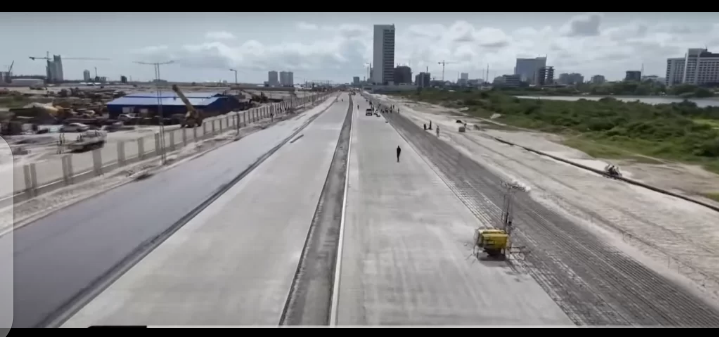
Lagos Halts Planning Approvals Along Lagos-Calabar Coastal Road To Ensure Sustainable Development.
The Lagos State Government has announced an immediate suspension of all planning approvals for properties along the corridor of the Lagos-Calabar Coastal Road, a major infrastructure project aimed at enhancing connectivity across Nigeria’s coastal region. The decision, revealed on Monday by Dr Oluyinka Olumide, the Commissioner for Physical Planning and Urban Development, is intended to align the ambitious highway project with the state’s long-term urban development goals.
In a statement issued in Alausa, Ikeja, Dr Olumide explained that the suspension is a proactive measure to address the significant impact of the 700-kilometre coastal highway on existing and ongoing development frameworks. The project, which began construction in March 2024 under President Bola Tinubu’s administration, has already affected key urban plans, including the recently completed Ode-Omi Action Area Plan, as well as the Ibeju-Lekki Model City Plan and the Lekki Comprehensive Master Plan, both of which are in various stages of preparation.


“As a result of the effects of the Lagos-Calabar Coastal Road on our development plans, it is critical to review the situation on the ground and align it with our frameworks to prevent further distortion now or in the future,” Dr Olumide stated. He emphasised that the Lagos State Physical Planning Permit Authority (LASPPPA) has been instructed to enforce the suspension until further notice, ensuring no new building or development permits are issued in the affected corridor.
The Lagos-Calabar Coastal Highway, a £7.5 billion (N15.6 trillion) project, is designed to connect Lagos to Calabar, spanning nine states and boosting trade, tourism, and economic growth along Nigeria’s coastline. The first phase, a 47.7-kilometre stretch from Ahmadu Bello Way in Victoria Island to Lekki, is nearing completion. However, the project has sparked concerns due to its impact on local communities and existing developments, with 750 structures already demolished and £8.6 million (N18 billion) paid in compensation to affected property owners.
Dr Olumide reassured residents and stakeholders that the suspension reflects Lagos State’s commitment to fostering an organised, inclusive, and sustainable built environment. “Lagos is strategically positioned to reap the economic and infrastructural benefits of this transformative highway, but we must ensure our development plans are harmonised to avoid long-term challenges,” he said.
The decision has drawn mixed reactions. Some stakeholders, including property developers, have expressed concerns about potential investment losses, with fears of further demolitions and legal disputes. The Foreign Investors Network of Nigeria has filed a lawsuit to halt the demolition of an 18.8-hectare estate in Okun-Ajah, alleging the road’s realignment lacks proper approval. Conversely, others view the suspension as a necessary step to maintain order and protect the state’s urban planning integrity.
As Lagos navigates the complexities of this landmark project, the government has pledged to work closely with federal authorities and stakeholders to ensure the coastal highway delivers on its promise of economic prosperity while safeguarding the state’s vision for a sustainable future. Further updates are expected as the state reviews its development plans in collaboration with the Federal Ministry of Works.