

Lagos Enforces Landmark Ban On Single-Use Plastics To Combat Environmental Crisis.
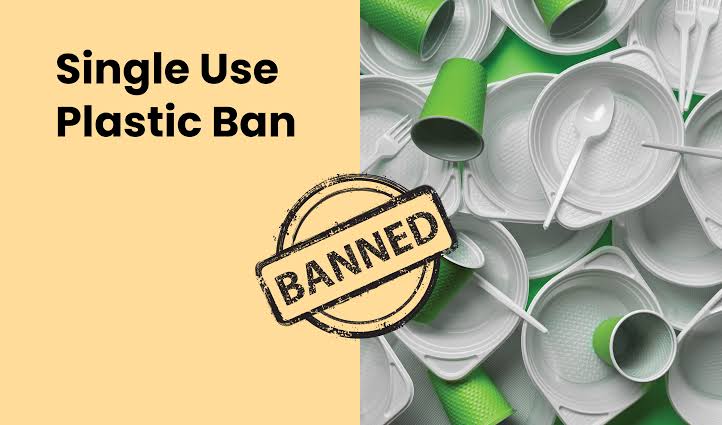
Lagos, Nigeria’s bustling commercial hub, has taken a bold step in its fight against environmental degradation with the full enforcement of a ban on single-use plastics, effective from 1 July 2025. This sweeping policy, spearheaded by the Lagos State Ministry of Environment under Commissioner Tokunbo Wahab, targets items such as Styrofoam, plastic straws, cups, and nylon bags under 40 microns, aiming to curb the city’s escalating waste crisis and protect its ecosystem.
The journey to this milestone began on 21 January 2024, when Wahab announced an immediate ban on Styrofoam and other single-use plastics, citing their devastating impact on drainage systems and the environment. “Our state cannot be held hostage to the economic interests of a few compared to the millions suffering from indiscriminate dumping,” he declared. Businesses were granted a three-week grace period to clear existing stocks, setting the stage for a transformative shift in waste management.


The federal government lent its support in August 2024, banning single-use plastics in its offices, aligning with Lagos’ pioneering efforts. By October 2024, Wahab provided further clarity at a stakeholders’ workshop, outlining the ban’s expansion in January 2025. Crucially, PET bottles and sachet water were exempted to ensure affordable water access for residents. “This is a critical step for sustainable plastic waste management,” he noted, underscoring the policy’s balance between environmental goals and public welfare.
Addressing public concerns on 20 May 2025, Wahab dispelled misinformation about the ban’s timeline, confirming that enforcement would commence on 1 July 2025, following an 18-month moratorium. “The decision to ban single-use plastics is not arbitrary but driven by environmental and public health concerns,” he stated, reinforcing the policy’s urgency.
On 5 June 2025, World Environment Day, Wahab lauded Governor Babajide Sanwo-Olu’s leadership, crediting him with tackling what he described as an “ecological emergency.” Sanwo-Olu echoed this commitment, stating, “We are building a cleaner, more sustainable Lagos through strategic environmental initiatives.” Their unified vision has galvanised the state’s resolve to address its staggering 14,000 metric tons of daily waste, a figure revealed by the Lagos Ministry of Environment.
Since 1 July 2025, enforcement has been rigorous. Wahab issued a stern warning at a press conference: “There’s no going back. Any store selling banned plastics under 40 microns will be sealed, with fines up to N250,000 or three months in prison.” The Lagos Waste Management Authority and the Kick Against Indiscipline (KAI) brigade are leading the crackdown, ensuring compliance to safeguard the city’s drainage systems and reduce flooding.
While the ban poses challenges for businesses grappling with the cost of eco-friendly alternatives, Wahab remains optimistic, asserting, “This shift will create new opportunities for eco-friendly industries.” The policy is already reshaping Lagos’ environmental landscape, with a clear focus on reducing pollution and fostering sustainability.
For Lagosians, the message is clear: the era of single-use plastics is over. Residents are urged to embrace reusable bags and other sustainable alternatives to support the state’s vision for a cleaner, greener future. With enforcement in full swing, Lagos is setting a precedent for environmental stewardship in Nigeria and beyond.