


Oil Marketers Voice Concerns Over Job Losses Amid Dangote Refinery’s New Distribution Strategy.
The Petroleum Products Retail Outlets Owners Association of Nigeria (PETROAN) has raised alarm over potential job losses and business closures following Dangote Petroleum Refinery’s announcement of a new nationwide fuel distribution plan. The initiative, set to commence on 15 August 2025, aims to transform Nigeria’s fuel supply chain but has sparked fears of a monopolistic market structure that could threaten thousands of livelihoods in the downstream petroleum sector.


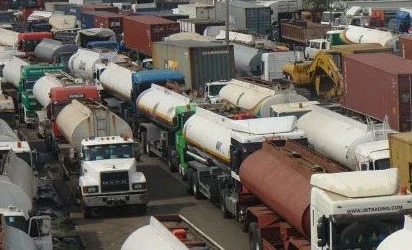
Dangote Refinery, Africa’s largest with a production capacity of 650,000 barrels per day, revealed on 15 June that it would begin direct distribution of Premium Motor Spirit (PMS, commonly known as petrol) and Automotive Gas Oil (diesel) to marketers, petrol dealers, manufacturers, telecommunications firms, aviation companies, and other large-scale users across Nigeria. The refinery also pledged free logistics support, including a fleet of 4,000 Compressed Natural Gas (CNG)-powered tankers, to enhance distribution efficiency. Additionally, a credit scheme for bulk buyers purchasing at least 500,000 litres was introduced to stimulate economic activity and revive filling stations.
While Dangote’s initiative has been hailed by some as a step towards improving fuel accessibility and affordability, PETROAN has warned of dire consequences for independent marketers, truck drivers, and filling station operators. Dr Billy Gillis-Harry, PETROAN’s National President, cautioned that the refinery’s forward integration strategy—where it controls both refining and distribution—could lead to a “monopoly in disguise.” He argued that Dangote should focus on competing with global refineries rather than dominating Nigeria’s downstream sector.
“With a production capacity of 650,000 barrels per day, Dangote Refinery should be positioning itself to compete internationally, not muscling into the downstream sector at the expense of thousands of small players,” Gillis-Harry said in a statement. He expressed concerns that the refinery might employ a pricing penetration strategy, temporarily lowering prices to capture market share before raising them once competitors are driven out. This, he warned, could result in widespread filling station closures, significant job losses, and higher fuel prices for consumers in the long term.
PETROAN’s spokesperson, Joseph Obele, echoed these sentiments, highlighting the potential impact on Nigeria’s petroleum value chain. “Thousands of filling stations could shut down, truck drivers will lose jobs, and local suppliers will be out of business. This is not the industrial growth Nigerians were promised,” Obele stated. The association has called for urgent intervention from the Nigerian Midstream and Downstream Petroleum Regulatory Authority (NMDPRA) and the Minister of State for Petroleum Resources to enforce price control mechanisms and fair competition policies.
However, not all industry stakeholders share PETROAN’s concerns. Chinedu Ukadike, spokesperson for the Independent Petroleum Marketers Association of Nigeria (IPMAN), described Dangote’s move as a positive development, arguing that it could enhance fuel supply stability. Some analysts, such as Dr Abimbola Oyarinu, a public affairs commentator, suggested that the initiative could weaken the influence of middlemen, who have historically disrupted Nigeria’s fuel supply chain. Oyarinu also noted that the recruitment of at least 8,000 drivers for the CNG tanker fleet could create new job opportunities.
The announcement comes at a time of heightened tension in Nigeria’s petroleum sector. In Lagos, tanker drivers and fuel marketers recently suspended operations to protest the state government’s new E-Call Up system, raising fears of fuel scarcity. Dangote’s distribution plan, which includes free logistics and credit facilities, is seen by the refinery as a means to alleviate such disruptions and align with the federal government’s economic reform agenda.
As the countdown to the 15 August rollout begins, PETROAN and other oil marketers’ associations, including the Depot and Petroleum Products Marketers Association of Nigeria (DAPPMAN), are holding emergency meetings to strategise their response. The association has demanded open access to loading depots, enforcement of anti-monopoly laws under the Petroleum Industry Act, and support for third-party logistics to ensure a competitive market.
While Dangote Refinery’s ambitious plan promises to revolutionise Nigeria’s energy sector, the concerns raised by PETROAN underscore the need for a balanced approach that fosters industrial growth without jeopard of sacrificing the livelihoods of thousands of Nigerians. The coming weeks will be critical as stakeholders seek to navigate this transformative yet contentious development.