


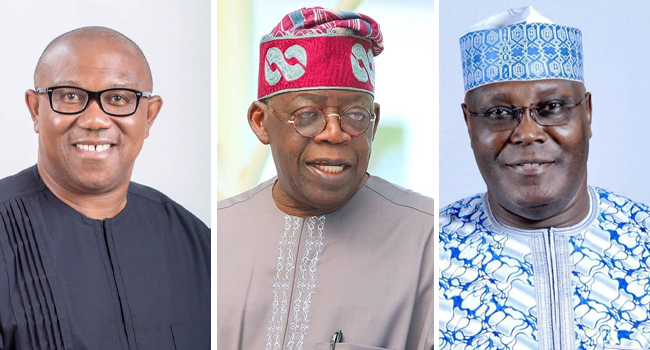
Atiku Offers Peter Obi VP Slot In One-Term Deal To Challenge Tinubu In 2027 Nigerian Elections.
Former Vice President Atiku Abubakar has reportedly offered Peter Obi, the Labour Party’s 2023 presidential candidate, the vice-presidential role in a single-term coalition ticket aimed at unseating President Bola Tinubu in the 2027 general elections. The development, confirmed by multiple sources, signals a potential reunion of two opposition heavyweights who previously ran together in 2019, and it has sparked widespread speculation about a united front against the ruling All Progressives Congress (APC).
A Strategic Alliance in the Making
According to insiders familiar with the negotiations, Atiku, the Peoples Democratic Party (PDP) flagbearer in 2023, has committed to serving a single four-year term if elected in 2027, with an agreement to hand over the presidency to Obi afterward. The offer was reportedly formalized during a private meeting earlier this year in the United Kingdom, where Atiku urged Obi to join him as his running mate to consolidate opposition forces. Obi, who has built a formidable following among Nigeria’s youth through his “Obidient” movement, is said to have accepted the proposal in principle but is still consulting with key allies before making a public declaration.


The coalition is seen as a strategic response to the lessons of the 2023 elections, where a divided opposition allowed Tinubu to secure victory with 8.79 million votes, ahead of Atiku’s 6.98 million and Obi’s 6.1 million. Analysts suggest that combining Atiku’s political machinery in the North with Obi’s grassroots appeal in the South could create a formidable challenge to the APC’s dominance. “The leaders have agreed that only a coalition between Atiku, Obi, and others can wrest power from Tinubu,” a source involved in the talks told The Punch.
A New Platform: SDP or ADC?
With internal crises plaguing both the PDP and Labour Party, the coalition is reportedly considering alternative platforms, such as the Social Democratic Party (SDP) or the African Democratic Congress (ADC), to field their joint ticket. Sources indicate that Atiku’s camp has grown frustrated with the PDP, particularly due to conflicts with Federal Capital Territory Minister Nyesom Wike, who has been accused of undermining the party to serve APC interests. Similarly, Obi’s Labour Party has faced leadership disputes, prompting discussions about a fresh political vehicle to unite opposition forces.
The SDP, which has recently welcomed high-profile defectors like former Kaduna Governor Nasir El-Rufai, is positioning itself as a viable option. SDP presidential candidate Adewole Adebayo confirmed ongoing talks with allies of Atiku and Obi, expressing confidence that a united opposition could “manifestly defeat the APC” in 2027. Alternatively, posts on X suggest the ADC is also under consideration as a potential coalition platform.
Obidients Push Back
While the proposed alliance has generated excitement among some Nigerians, it has met resistance from Obi’s core supporters, known as the “Obidient” movement. Comprising mostly young voters who propelled Obi to a strong third-place finish in 2023, the group insists that Obi should be the presidential candidate in any coalition. “Any arrangement without Obi as the flagbearer is dead on arrival,” a statement from the Obidient movement declared, emphasizing their belief in Obi’s vision for a “new Nigeria.”
Daniel Bwala, a media aide to President Tinubu, cautioned Obi against accepting the VP role, warning that it could erode his support base. “The minute Peter Obi drops the idea of running for president himself, he will lose the majority of the people following him,” Bwala said, highlighting the delicate balance Obi must navigate.
Atiku’s Vision for a United Opposition
Atiku has been vocal about the need for a broad-based coalition to challenge the APC, describing the Tinubu administration as “incompetent and inefficient.” In a recent statement, he revealed that the coalition includes disenchanted APC members, PDP stalwarts, Labour Party supporters, and other opposition groups. “Nigerians deserve better than what they are getting. It’s never been this bad in this country,” said Paul Ibe, Atiku’s spokesperson, on Channels Television’s Politics Today.
The former vice president’s openness to collaboration was further underscored in a 2024 BBC Hausa Service interview, where he expressed willingness to support Obi if the PDP zoned its presidential ticket to the South-East. “If the party decides it’s the turn of the South-East, I will abide by it,” Atiku said, signaling flexibility in his political ambitions.
Challenges Ahead
Despite the optimism surrounding the coalition, significant hurdles remain. The success of the Atiku-Obi ticket will depend on their ability to maintain internal cohesion, align party structures, and appeal to a broad voter base. The PDP’s recent wave of defections, including high-profile figures like Delta State Governor Sheriff Oborevwori and former Governor Ifeanyi Okowa, has weakened the opposition’s ranks, while the APC has dismissed Atiku’s coalition claims as “political theatrics.”
Moreover, skeptics like activist lawyer Deji Adeyanju argue that no opposition merger can overcome Tinubu’s alignment with the Independent National Electoral Commission (INEC), citing alleged electoral manipulations in recent state elections. “They had one job in 2023 to present a united front, but they refused,” Adeyanju told Daily Post.
A Pivotal Moment for Nigeria
As Nigeria grapples with economic challenges, insecurity, and growing dissatisfaction with the Tinubu administration, the proposed Atiku-Obi alliance represents a pivotal moment in the country’s political evolution. Social media has been abuzz with reactions, with some users predicting that a united opposition could secure over 13 million votes, potentially making the 2027 election a “walkover” for the coalition.
For now, both Atiku and Obi remain tight-lipped about the specifics of their agreement, with their spokespersons declining to confirm details. However, as the 2027 election cycle approaches, all eyes will be on whether this high-stakes partnership can deliver a unified opposition capable of reshaping Nigeria’s future.