


Israel Shuts Diplomatic Missions Globally Amid Escalating Tensions With Iran.
Israel has temporarily closed all its diplomatic missions worldwide, including embassies and consulates, following its large-scale military strikes on Iranian nuclear and military facilities, the Israeli Foreign Ministry announced on Friday. The unprecedented move, which has suspended consular services for Israeli citizens abroad, comes as tensions soar after Iran launched retaliatory missile and drone attacks, raising fears of a broader regional conflict.
The Israeli Foreign Ministry confirmed the closure of all diplomatic posts, urging Israelis overseas to register their location and status via an online form and to contact the ministry’s situation room for urgent assistance. Citizens were also advised to avoid displaying Jewish or Israeli symbols in public, refrain from sharing travel plans on social media, and steer clear of large events linked to Israel. The ministry did not specify how long the closures would last, citing the ongoing military operations as the reason for heightened security measures.


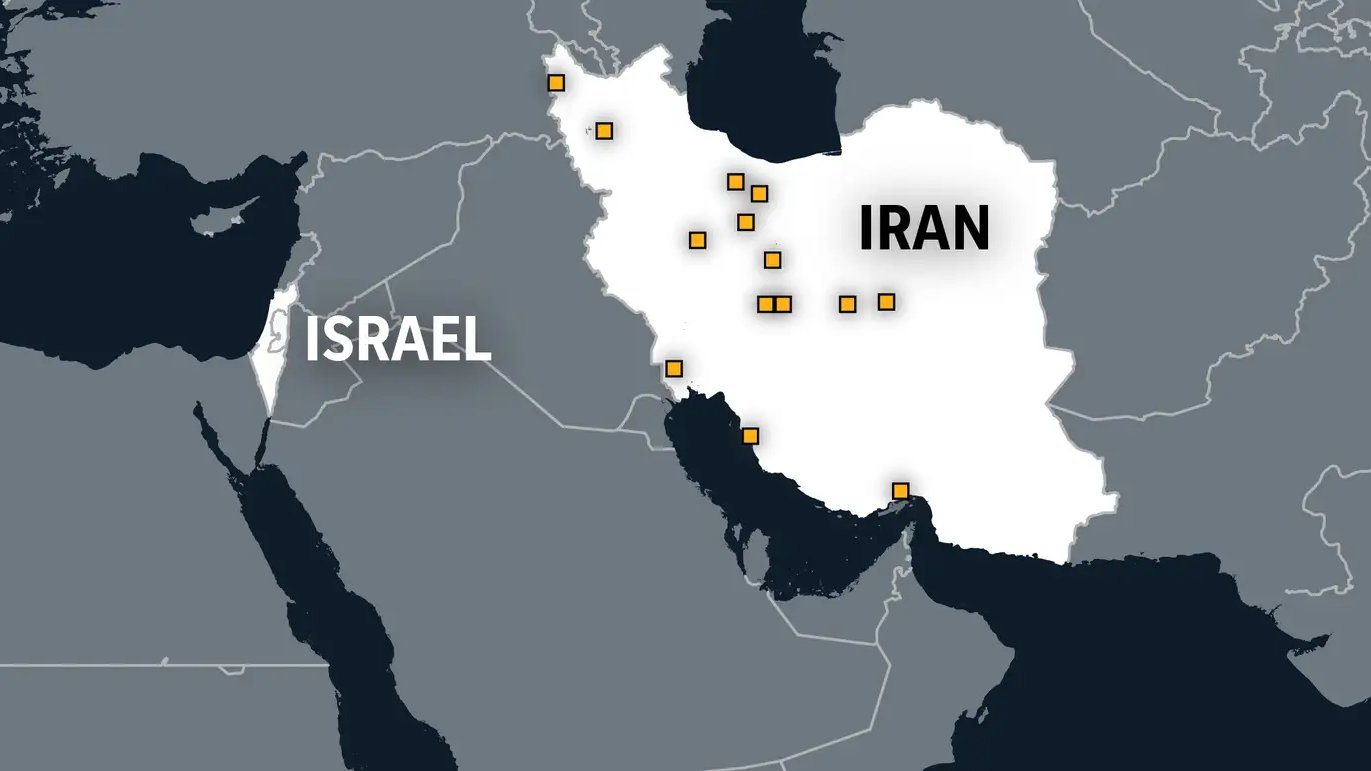
The escalation began on the night of 12 June, when Israel launched what it described as a “precise preemptive strike” targeting dozens of Iranian military sites, including nuclear facilities and ballistic missile factories. The attacks, which Israel claimed were necessary to thwart Iran’s nuclear ambitions, resulted in the deaths of several senior Iranian military commanders, including Major General Mohammad Bagheri, Chief of Staff of the Armed Forces, and Major General Hossein Salami, Commander of the Islamic Revolutionary Guard Corps (IRGC), according to Iranian state media.
Iran responded swiftly, launching over 100 drones and two waves of ballistic missiles targeting Israel on Friday night into Saturday morning. While Israel’s Iron Dome defence system intercepted most of the projectiles, some missiles struck Tel Aviv, causing at least three deaths and dozens of injuries, with significant damage reported in the Ramat Gan area. Iran’s Supreme Leader, Ayatollah Ali Khamenei, vowed a “harsh punishment,” warning that Israel had “prepared a bitter fate for itself.”
The international community has urged restraint to prevent further escalation. UK Prime Minister Sir Keir Starmer called for de-escalation, while US President Donald Trump, acknowledging prior knowledge of Israel’s strikes, urged Iran to negotiate over its nuclear programme to avoid further attacks. NATO Secretary-General Mark Rutte described Israel’s actions as “unilateral” but maintained that the region was not on the brink of nuclear conflict.
Oil prices surged 7% to $74 per barrel on Friday, reflecting market fears of disruptions to Middle Eastern oil supplies, particularly through the Strait of Hormuz. However, analysts noted that Iran’s oil infrastructure remained intact, and OPEC+ members, such as Saudi Arabia, could offset potential losses.
The closure of Israel’s diplomatic missions follows a precedent set in April 2024, when 28 embassies were shuttered after an Israeli strike on Iran’s consulate in Damascus killed seven IRGC members, prompting fears of retaliation. The current closures, however, are far more extensive, affecting all 82 resident embassies and 22 consulates, including missions in Cairo, Amman, and the UAE.
As the situation unfolds, global attention remains fixed on the Middle East, with calls for diplomatic efforts to avert a wider conflict. The Israeli Foreign Ministry has pledged to monitor developments closely, while the international community braces for Iran’s next response and its potential impact on regional stability.