


Israel And Iran Engage In Fierce Aerial Conflict, Leaving Casualties And Heightened Tensions.
Israel and Iran have been locked in intense military exchanges for over two days, marking some of the most severe hostilities between the two nations in decades. The heavily armed adversaries have traded missile and rocket attacks, escalating regional tensions and raising fears of a broader conflict.
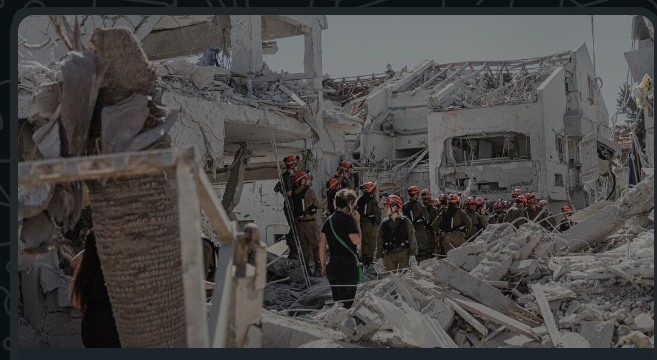
The violence intensified on Friday evening, with Iranian missiles targeting Tel Aviv, Israel’s commercial hub. According to local authorities, at least three people were killed and more than 170 injured during an aerial battle that continued into Saturday morning. Israeli defence forces deployed rockets to intercept the incoming missiles, lighting up the night sky over the city with explosions. Eyewitnesses described scenes of chaos as residents sought shelter amid air raid sirens.


The Israeli military reported that it conducted strikes on Iran’s defence ministry headquarters, nuclear weapons project infrastructure, and other strategic targets in response. Iran, in turn, launched a fresh barrage of missiles, with state television reporting the start of “Operation Honest Promise 3” on Sunday. Reports indicate that Iranian missiles struck residential areas in Tel Aviv suburbs, including Bat Yam, while two fuel depots near Tehran were reportedly set ablaze by Israeli strikes.
The human toll has been significant. In Israel, at least 13 people have been killed, while Iran reports over 78 fatalities, though these figures remain unverified. Both nations have accused each other of targeting civilian infrastructure, with Iran claiming Israeli strikes hit energy and government facilities.
International reactions have been swift but cautious. US President Donald Trump distanced the United States from the conflict, stating it “had nothing to do” with Israel’s attacks, while also claiming he could “easily” broker a deal. Meanwhile, posts on X suggest the US may be quietly pressuring Israel to de-escalate, and Oman has reportedly offered to mediate. Iran’s foreign minister has indicated a willingness to halt attacks if Israel ceases its strikes, but no ceasefire has been agreed upon.
Regional airspace restrictions reflect the ongoing volatility. Israel has kept its airspace closed, and Iran extended its closure until 3 p.m. on Sunday. Jordan and Lebanon, however, have begun reopening their skies, hinting at a possible easing of regional disruptions.
The conflict has sparked debate within Iran, with some calling for the country to withdraw from the Nuclear Non-Proliferation Treaty (NPT) amid strikes on its nuclear-related sites. Israel, meanwhile, has reportedly sought US involvement, though Washington’s stance remains unclear.
As the situation develops, the international community watches closely, wary of the potential for further escalation in an already volatile region.