


Iran Signals Robust Defence Strategy Amid Rising Tensions With US And Israel.
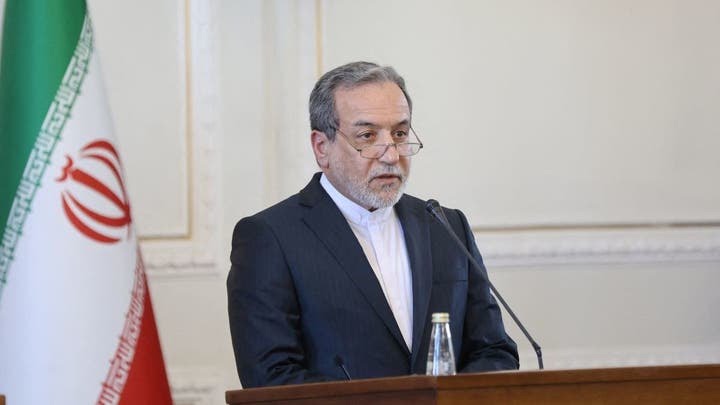
Iran’s Foreign Minister Abbas Araghchi issued a stern warning on Monday, 28 July 2025, pledging a “more decisive” response should the United States or Israel launch further attacks on the Islamic Republic. The statement follows heightened tensions sparked by recent US and Israeli military actions targeting Iran’s nuclear facilities, raising concerns about potential escalation in the region.


Araghchi’s remarks were made in direct response to comments by US President Donald Trump, who, during a visit to Scotland, threatened to “wipe out” Iran’s nuclear programme if Tehran resumed atomic activities. The US strikes, which followed an Israeli bombing campaign last month aimed at thwarting Iran’s nuclear ambitions, have left the extent of damage to Tehran’s nuclear infrastructure unclear. Iran, however, remains resolute, with Araghchi asserting on X that any repeated aggression would prompt a reaction “IMPOSSIBLE to cover up.” He further suggested that a negotiated solution, rather than military action, could address concerns about Iran’s nuclear programme, which Tehran insists is for peaceful purposes.
The International Atomic Energy Agency (IAEA) has noted that Iran is the only non-nuclear-armed nation enriching uranium to 60%, a level close to the 90% required for a nuclear weapon. While Tehran has consistently denied pursuing a bomb, the US and Israel view its nuclear advancements as a significant threat. Araghchi defended Iran’s right to uranium enrichment, describing it as a “non-negotiable” achievement of “homegrown and peaceful technology” that would not be abandoned under foreign pressure.
The Iranian government’s stance has resonated domestically, with state media outlets like the ultraconservative Keyhan newspaper celebrating recent missile strikes against Israel as a demonstration of military prowess. Over the past month, Iran has retaliated with missile and drone attacks on Israeli targets, following what it described as violations of its sovereignty, including the assassination of key figures like Hamas leader Ismail Haniyeh in Tehran. These actions have intensified a tit-for-tat conflict, with Israel reporting civilian casualties and significant damage from Iranian strikes.
Public sentiment in Iran reflects a mix of defiance and resilience. “We will not bow to intimidation,” said Reza Hosseini, a shopkeeper in Tehran. “Our nuclear programme is our right, and we’ll protect it at all costs.” Meanwhile, international observers have expressed concern about the risk of a broader conflict, with Russia offering to mediate talks on Iran’s nuclear programme and condemning the US strikes.
Araghchi’s call for diplomacy offers a glimmer of hope amid the escalating rhetoric. “If there are concerns about the possible diversion of our nuclear programme into non-peaceful purposes, the ‘military option’ proved incapable – but a negotiated solution may work,” he stated. This openness to dialogue contrasts with the hardline posture of Iran’s military leadership, which has vowed to target US interests if provoked further.
As the world watches, the prospect of renewed negotiations could pave the way for de-escalation, provided all parties commit to constructive dialogue. For now, Iran’s vow to respond decisively underscores its determination to safeguard its sovereignty, while the international community braces for the next chapter in this volatile standoff.