


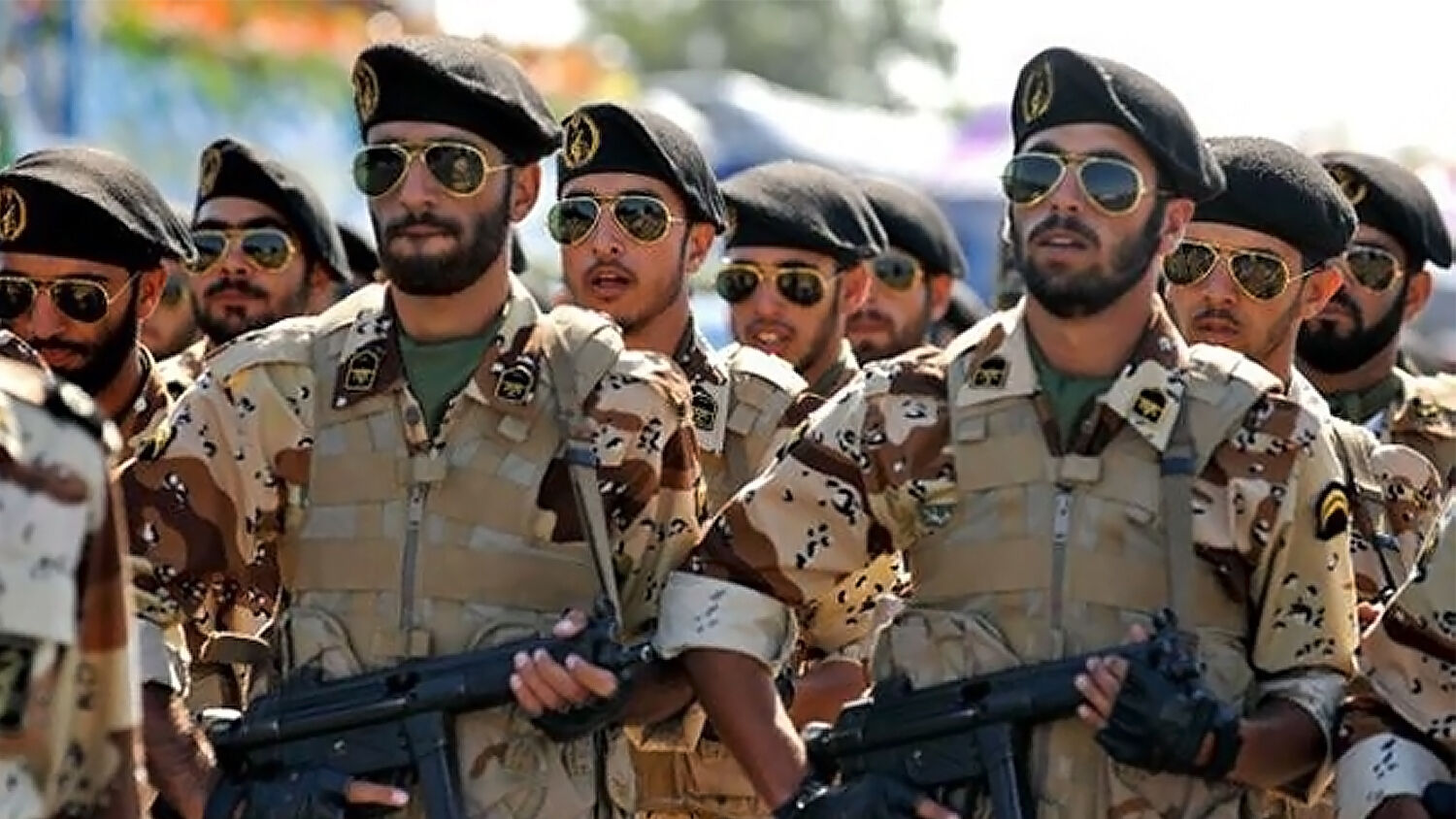
Iran Bolsters Military with 200% Budget Increase Amid Tensions With US And Israel.
Iran has announced a dramatic escalation in its military capabilities, with a 200 percent increase in its defence budget and a sweeping rearmament programme, according to recent statements from Iranian officials. The move comes as the Islamic Republic braces for potential conflict with the United States and Israel, following a series of heightened tensions in the region.
The Iranian Parliament’s National Security and Foreign Policy Committee has approved a bill to significantly boost military spending, with estimates suggesting next year’s defence budget could reach $46 billion. This substantial increase, first announced in October 2024, aims to strengthen Iran’s Armed Forces, including the Army and the Islamic Revolutionary Guard Corps (IRGC), in response to perceived threats from Israel and its allies. The legislation, backed by 120 lawmakers, is now under review by the committee’s defence subcommittee.


In addition to the budget hike, Iran is reportedly engaged in a major operation to procure advanced weaponry from Russia and China. Sources indicate that Tehran is seeking to acquire fleets of fighter jets, air defence systems, and radar equipment, potentially marking one of the largest military acquisitions in the country’s history. While China has publicly denied arms sales to nations engaged in warfare, reports suggest Iran has already received Chinese-made surface-to-air missile batteries, including the HQ9 system, as part of a trade involving oil exports. Russia, meanwhile, has been a long-standing supplier of military hardware to Iran, including the S-300 air defence system.
The rearmament push follows a 12-day conflict with Israel in June 2025, which saw US and Israeli airstrikes target Iranian nuclear facilities, including the heavily fortified Fordow site. The Pentagon claimed the strikes set Iran’s nuclear programme back by up to two years, though some analysts argue the damage was less severe, with Iran potentially able to resume enriched uranium production within months. Iranian officials have cited these attacks as a key motivator for the military build-up, with the country’s leadership expressing concerns over further aggression from the US and Israel.
Iran’s Foreign Minister, Abbas Araghchi, has also sought to strengthen ties with regional powers, attending the Shanghai Cooperation Organisation (SCO) Summit in China to propose a “permanent mechanism” for coordinating responses to military aggression. This move underscores Tehran’s growing alignment with Beijing and Moscow, both of which provide critical economic and military support to counter US-led sanctions.
However, analysts remain cautious about the extent of China and Russia’s commitment. While both nations have engaged in joint military exercises with Iran, including the Sea Security Belt series, neither offered direct military assistance during the recent conflict with Israel. Experts describe these relationships as “transactional,” driven by mutual interests rather than a formal alliance. China, in particular, appears wary of destabilising the region further, prioritising its own economic ties with the West.
The military build-up has sparked concern among Western nations, with British lawmakers recently describing Iran as a “significant and rising threat” to the UK, though not on the same scale as Russia or China. The UK Foreign Secretary has called for Iran to pursue diplomatic solutions, while the US has warned of potential Iranian retaliation, including attacks on American bases or a blockade of the Strait of Hormuz, a critical global oil route.
As Iran presses forward with its rearmament plans, the international community remains on edge, with fears that the region could be drawn into a broader conflict. For now, Tehran’s focus appears to be on deterrence and rebuilding its military capabilities, but the path ahead remains uncertain.