

INEC Proposes Major Electoral Reforms Ahead Of 2027 Nigerian Elections.
The Independent National Electoral Commission (INEC) has unveiled ambitious proposals to reform Nigeria’s electoral framework in preparation for the 2027 general elections, aiming to enhance transparency, efficiency, and credibility in the democratic process.
Among the key changes, INEC is advocating for amendments to strip the President of the authority to appoint Resident Electoral Commissioners (RECs), who oversee INEC operations at the state level. Instead, the commission seeks to empower itself to appoint these officials, re-designating them as State Directors of Elections. This proposal involves amending Section 14 (3) Paragraph F of the Third Schedule to the Constitution and Section 6 (3) of the Electoral Act 2022 to grant INEC autonomy over the appointment and discipline of state and Federal Capital Territory (FCT) office heads.



Mohammad Kuna, Special Adviser to the INEC Chairman, presented these reforms at a retreat in Lagos, hosted by the Joint Committee of the National Assembly on Electoral Matters. He emphasised that the changes are critical to fostering accountability and strengthening public trust in the electoral system.
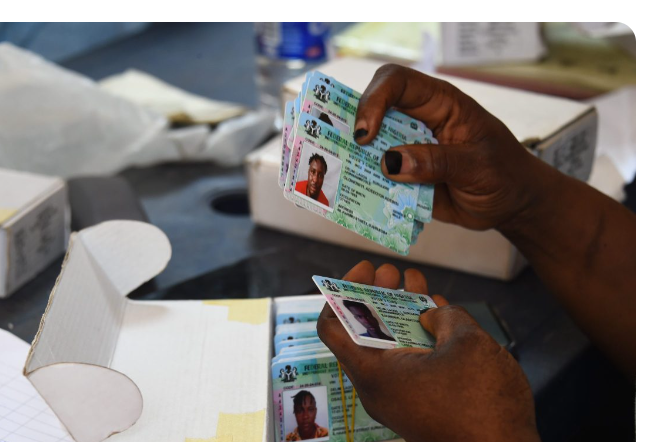
INEC is also pushing for the replacement of Permanent Voter Cards (PVCs) with electronically downloadable voter cards, a move designed to modernise the voting process. Additionally, the commission, alongside stakeholders like the Policy and Legal Advocacy Centre (PLAC), is advocating for a single-day voting system to reduce the high costs associated with elections. PLAC’s Executive Director, Clement Nwankwo, highlighted that Nigeria’s election expenses, nearing half a trillion naira, are unsustainable. “Ghana has successfully implemented single-day voting, and Nigeria can follow suit with proper management,” he stated.
Nwankwo also questioned the necessity of PVCs, suggesting that robust voter registration and biometric systems could suffice, further streamlining the process. INEC Chairman Mahmood Yakubu underscored the urgency of enacting these reforms promptly to allow sufficient time for implementation and preparation.
The retreat, supported by PLAC, the UK Foreign, Commonwealth and Development Office (FCDO), and Development Alternatives, Inc. (DAI), brought together lawmakers and electoral stakeholders to deliberate on these proposals. The consensus was clear: timely reforms are essential to ensure a credible and cost-effective electoral process in 2027.