


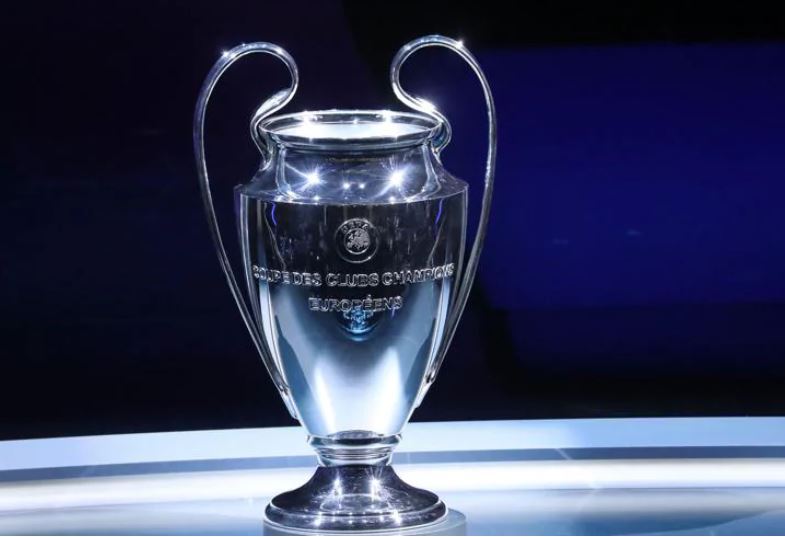
Five Clubs Barred From UEFA Champions League.
The UEFA Champions League, widely regarded as the pinnacle of club football, has seen its share of controversies, with five clubs historically banned from the prestigious competition for various infractions. These sanctions, ranging from match-fixing to financial misconduct, have left lasting marks on the clubs involved and the tournament’s storied legacy. As the 2025/26 campaign kicks off, with Paris Saint-Germain defending their title after a 5-0 thrashing of Inter Milan in the 2024/25 final, the history of these bans serves as a reminder of UEFA’s strict disciplinary measures.
English Clubs (1985-1990, Liverpool until 1991)


Following the tragic Heysel Stadium disaster in 1985, where 39 fans lost their lives during the European Cup final between Juventus and Liverpool, UEFA imposed a sweeping five-year ban on all English clubs from European competitions. Liverpool, whose supporters were deemed responsible, faced an additional year of exclusion, returning only in 1991. The disaster, one of football’s darkest moments, prompted significant safety reforms but left English football isolated from European glory for years.
FK Pobeda (2009-2017)
In 2009, North Macedonian side FK Pobeda received one of the harshest punishments in UEFA history: an eight-year ban from the Champions League. The sanction stemmed from match-fixing in a 2004 qualifier against Armenia’s FC Pyunik, with irregular betting patterns uncovered years later. The club’s president, Aleksandar Zabrcanec, and player Nikolce Zdraveski were also handed lifetime bans from football. The suspension, lifted in 2017, severely damaged the club’s reputation and competitive prospects.
Beşiktaş (2013-2014)
Turkish giants Beşiktaş faced a one-year ban from UEFA competitions in 2013 after qualifying for the Champions League group stage. The club was implicated in a domestic match-fixing scandal, and despite an appeal to the Court of Arbitration for Sport, the sanction was upheld. Beşiktaş were replaced by Norway’s Tromsø, ironically the team they had defeated in the qualifiers, marking a significant blow to their European ambitions.
Fenerbahçe (2013-2015)
Another Turkish powerhouse, Fenerbahçe, was embroiled in the same 2013 match-fixing scandal, resulting in a two-year suspension from UEFA competitions. Although the club briefly competed in a Champions League qualifier against Arsenal while their appeal was pending, the Court of Arbitration for Sport upheld the ban, sidelining Fenerbahçe from European football and casting a shadow over Turkish football’s reputation.
FK Arsenal Tivat (2025-2035)
Most recently, in July 2025, Montenegrin club FK Arsenal Tivat were handed a 10-year ban from European competitions and fined €500,000 for violating UEFA Disciplinary Regulations. The charges related to a 2023 Conference League qualifier against Alashkert FC, with UEFA citing “serious breaches.” This unprecedented punishment underscores UEFA’s ongoing commitment to maintaining the integrity of its competitions.
These bans, spanning decades, highlight the diverse challenges UEFA faces in upholding fair play, from financial irregularities to match manipulation and crowd safety. As the 2025/26 Champions League progresses, with powerhouses like Barcelona, Bayern Munich, and Liverpool tipped to challenge PSG’s crown, the legacy of these sanctions serves as a stark warning to clubs vying for Europe’s most coveted trophy. The road to glory remains fraught with accountability, ensuring the competition’s prestige endures.