


Fighting acne can be a pain, especially when nothing seems to work.
With acne, almost everyone has a different story.
Most times, the key players in this story are genetics, diet, and skin type. This is why you shouldn’t take skincare recommendations from just anyone. Especially not from someone with a different skin type.
Having sensitive skin in addition to acne-prone skin is as bad as it gets. Your skin won’t respond to some chemicals, while the ones that help the acne cause even worse skin irritation.


If you’re tired of people asking you what’s wrong with your face, or suggesting their homemade remedies, then you should read this closely. We’ll be discussing the best ingredients for sensitive skin.
What is Acne, and What Causes it?.
This dreaded skin modification usually comes as a sealed pore. Acne forms when the tiny holes in your skin fill up with oil, dirt, or germs and close up. Famous for its unsightliness, acne can come in different ways. They can be broadly grouped into milder acne, called non-inflammatory, and more severe inflammatory acne. Non-inflammatory acne includes whiteheads and blackheads that can be removed and prevented by regular exfoliation. Inflammatory acne ranges from papules to nodules and cysts.
How Do I Tackle Acne on My Sensitive Skin?.
You have heard it a thousand times; salicylic acid and benzoyl peroxide do the magic. But not for you. These ingredients either leave your skin irritated or inflamed. Why?
Chances are, you are doing a lot of things wrong.
Let’s start with the ingredients on your acne treatment bottle.
- 1. Avoid ingredients with additives such as alcohol and synthetic fragrances. If available, the unscented version of your medication is a better option.
2. Avoid high concentrations of active ingredients- when testing a new product, always start from the bottom up; try the lower concentrations first to minimise inflammation. If need be, proceed upwards.
3. Avoid popping your pimples- you shouldn’t even be touching them in the first place. Pimples and cystic acne are a product of germs and contamination. Touching them will spread bacteria, and popping them will increase inflammation, redness, and scarring.
4. Stay far away from oil-based treatments. This includes makeup. Choose more hygroscopic substances such as glycerine for the base. Water-based treatments are also advised. Ingredients like rose water and tea tree water are preferred over their oil versions.
We’ve said a lot about what you shouldn’t do.
What ingredients should you use to get rid of acne without irritating your skin?.
- Get a moisturiser: Many acne treatments tend to leave the skin dry. This dryness could cause your skin to break out more readily. Combat this by using a good moisturiser that promotes the rejuvenation of your skin cells.
Look out for cleansers containing sulphur: In the world of dermatology; sulphur is king. It is capable of preventing bacterial growth and curbing inflammation. It is also great for shedding dead cells. These are what causes most acne. For sensitive skin, 2-4% sulphur should do the trick.
Choose soothing ingredients: You should pick ingredients such as honey, glycerine, and oat bran over acids and synthetic chemicals.
Look out for vitamins: Vitamins A and D are especially good for the skin. You should use treatments containing retinoids from Vitamin A or niacinamide from the Vit B series.
Best Acne Treatment for Sensitive Skin.
Based on the guidelines above, here are a few acne treatments that do wonders on sensitive skin.
- Cleansers equipped with sulphur as its key ingredient and honey for soothing effects. These cleansers are tough on zits and cause little to no inflammation.
Treatments that are oil-free, paraben-free, and fragrance-free with key ingredients being benzoyl peroxide and a salicylic acid derivative.
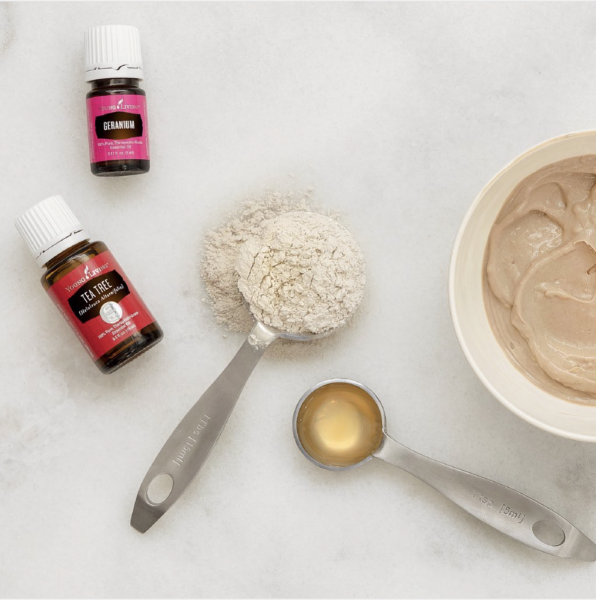
Treatments containing tea tree water, bentonite clay, and witch hazel, it does a fantastic job of keeping your pore free of dirt.
The most important step to defeating acne is finding a routine that works for you and your skin type and stick to it religiously.