


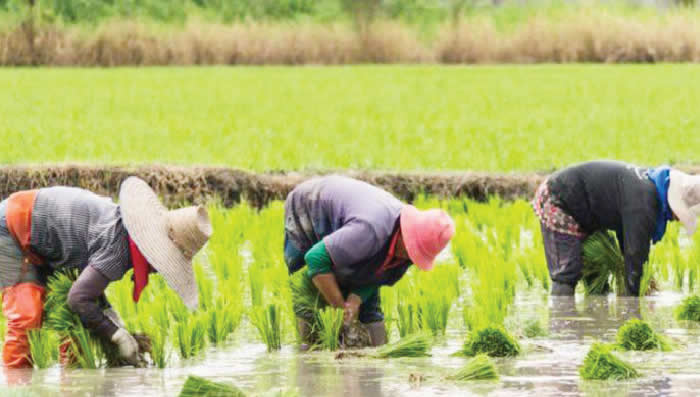
Devastating Floods In Nigeria Destroy 180,000 Farmlands, Prompting Urgent Action.
Nigeria’s agricultural sector has been dealt a severe blow as widespread flooding has destroyed an estimated 180,000 cultivated farmlands across more than 30 of the country’s 36 states, according to a recent report by SBM Intelligence. The catastrophic deluge, which began in July 2024, has affected approximately 1.2 million people, exacerbating food insecurity and threatening livelihoods in a nation already grappling with economic challenges and climate change.
The flooding, attributed to a combination of poor infrastructure, badly maintained dams, and human activities, has hit Nigeria’s Middle Belt—often referred to as the country’s “food basket”—particularly hard. The destruction of crops in this region has driven food price inflation to 35.41% in January 2024, compounding the nation’s food security crisis. Northern states, where most of Nigeria’s harvests originate, have also suffered significant losses, with states like Bauchi, Taraba, Jigawa, Niger, and Sokoto among the worst affected.


The National Emergency Management Agency (NEMA) reported that the floods have displaced over 225,000 people, caused more than 200 fatalities, and damaged critical infrastructure, including homes, roads, and bridges. In Borno State alone, 414,000 individuals have been impacted, with 389,267 displaced. The agency has been working tirelessly to evacuate affected communities to makeshift shelters, but the scale of the disaster has overwhelmed local resources.
“This is a crisis of unprecedented proportions,” said NEMA spokesperson Manzo Ezekiel. “We are urging immediate action to support displaced families and rebuild agricultural infrastructure to avert a deeper food crisis.”
The SBM Intelligence report highlights that the floods are part of a broader pattern of environmental degradation, worsened by desertification and insecurity. An estimated 350,000 hectares of arable land are lost annually to desertification, particularly in northern Nigeria, while farmer-herder conflicts and banditry have forced many farmers to abandon their lands. These factors have made recovery efforts even more challenging.
Despite the grim situation, there are glimmers of hope. The Nigerian government has pledged to address the crisis, with the Minister of Agriculture and Food Security, Abubakar Kyari, announcing plans to procure 2,000 tractors and 1,200 trailers to boost agricultural productivity. Additionally, international aid organisations, such as the International Rescue Committee (IRC), have launched emergency responses to provide cash, shelter, and clean water to affected communities in states like Adamawa and Borno.
Local communities are also showing resilience. In Zamfara State, farmers like Abdullahi Gummi, who lost his family’s farmlands, are calling for government support to rebuild. “We spent everything we had on planting, but it’s all gone,” Gummi said. “With help, we can start again.”
Experts are urging a holistic approach to tackle the crisis, including addressing insecurity, strengthening food systems, and implementing robust environmental policies to mitigate climate change impacts. The government’s Great Green Wall initiative, aimed at combating desertification by planting a 1,500-kilometre “wall of trees” across northern states, is one such effort to restore degraded land.
As Nigeria braces for the long-term consequences of this disaster, the international community is being called upon to provide support. The United Nations and other humanitarian agencies have emphasised the need for urgent funding to address food insecurity, which affects 32 million Nigerians—10% of the global hunger burden.
While the road to recovery will be arduous, the determination of Nigeria’s farmers and the commitment of both local and international stakeholders offer hope for a brighter future. For now, the focus remains on providing immediate relief and laying the groundwork for a more resilient agricultural sector.