


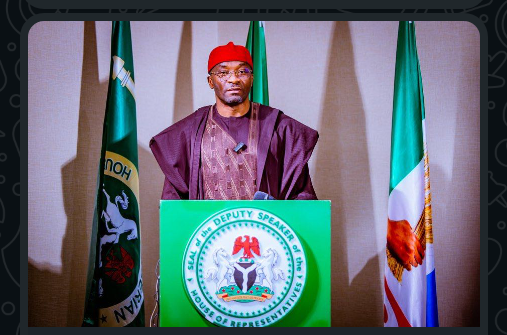
Deputy Speaker Withdraws Controversial Indigeneship Bill Amid Public Backlash.
The Deputy Speaker of Nigeria’s House of Representatives, Rt Hon Benjamin Kalu, has withdrawn a contentious indigeneship bill from the National Assembly, citing widespread public concerns and expert recommendations. The decision, announced on Tuesday night, 29 July 2025, follows intense debate and criticism over the proposed legislation, which aimed to grant indigene status to individuals residing in a state for 10 years or married to a native.


In a statement issued by his Chief Press Secretary, Levinus Nwabughiogu, Kalu explained that the withdrawal was necessary to allow for further consultations and to ensure the bill aligns with the aspirations of Nigerians. The decision was informed by constructive feedback from stakeholders, including ethnic and regional groups, and a critical analysis from the National Institute for Legislative and Democratic Studies (NILDS). “Though the bill sought to promote national unity, equity, and inclusiveness among all Nigerians regardless of where they reside, the feedback and analysis highlighted significant legal and administrative challenges,” Kalu said.
The proposed bill, which had passed its second reading, aimed to ensure settlers in any state could access the same rights as indigenes, particularly in education, employment, and political participation. However, critics, including the pan-Yoruba group Afenifere, warned that the legislation could exacerbate ethnic tensions and undermine cultural ties to ancestral lands. The NILDS report flagged risks such as “double or multiple indigeneship,” which could complicate citizenship and residency policies, potentially sparking conflicts over resource sharing and identity.
Public reaction, amplified on social media, was swift and vocal, with groups like Yorùbá Ronú praising the withdrawal as a victory for public advocacy. Posts on X reflected relief among Nigerians, with many commending Kalu for heeding calls for caution. The bill’s earlier proposal in April 2025 had already stirred controversy, with analysts warning it threatened Nigeria’s federal structure and risked igniting ethnic clashes.
Kalu, who chairs the House Committee on Constitution Review, reiterated his commitment to inclusive legislation. He noted that state Houses of Assembly should take the lead in crafting laws to ensure settlers enjoy equal rights without discrimination, as provided for in Nigeria’s 1999 Constitution. “As representatives, we are committed to ensuring every legislative proposal reflects the wishes of the people we serve,” he said.
The withdrawal follows a pattern of legislative pullbacks in Nigeria, with the House recently retracting a Counter Subversion Bill in August 2024 after similar public outcry over its potential impact on civil liberties. The move has been hailed as a testament to the power of public engagement in shaping policy, though some analysts urge continued vigilance to ensure future amendments strengthen national unity without compromising cultural identities.