


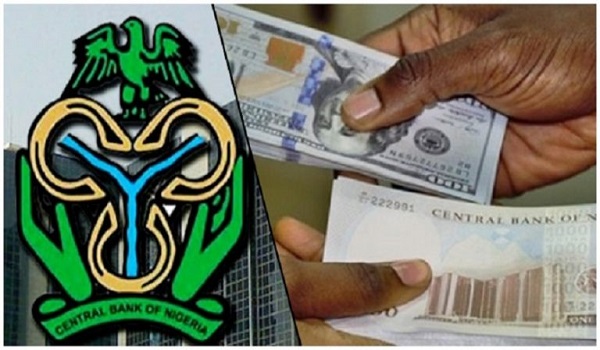
CBN Extends Bureau De Change Recapitalisation Deadline To Save 3 Million Jobs.
The Central Bank of Nigeria (CBN) has extended the recapitalisation deadline for Bureau De Change (BDC) operators by an additional six months, setting a new deadline of 3 December 2025. This decision follows urgent appeals from the Association of Bureau De Change Operators of Nigeria (ABCON), which warned that the looming deadline threatened over three million jobs and livelihoods across the sector.
The CBN’s initial directive, issued in May 2024, required all BDC operators to reapply for licences under a new two-tier system. Tier 1 operators, permitted to operate nationwide, must maintain a minimum capital base of ₦2 billion, while Tier 2 operators, restricted to a single state, need ₦500 million. Non-refundable licence fees were set at ₦5 million for Tier 1 and ₦2 million for Tier 2. The original deadline of 3 June 2025 left many operators struggling, with ABCON President Aminu Gwadabe revealing that less than 10% of members had met the new capital thresholds.


Speaking at a virtual general meeting, Gwadabe described the extension as a “lifeline” for the industry. “The CBN’s decision to extend the deadline demonstrates a commitment to collaboration and preserving jobs,” he said. “This gives our members breathing space to pursue mergers, acquisitions, or other strategies to meet the requirements.” He urged operators to view the recapitalisation as an opportunity to strengthen their operations and enhance competitiveness in Nigeria’s foreign exchange market.
The CBN’s reforms aim to reposition the BDC sector to play a more robust role in stabilising Nigeria’s volatile foreign exchange market. Under the new guidelines, BDCs can source foreign currency from diverse channels, open foreign currency and naira accounts with commercial or non-interest banks, and collaborate with banks to issue prepaid debit cards. These measures are designed to improve efficiency and transparency while aligning with the CBN’s broader efforts to sanitise the forex market.
However, concerns remain about the feasibility of meeting the capital requirements. Gwadabe noted that the high thresholds could lead to mass closures, potentially creating monopolies and exacerbating dollar shortages in the retail forex market. Economic analyst Dr Muda Yusuf, CEO of the Centre for the Promotion of Private Enterprise, cautioned that the policy could inadvertently reduce competition and widen the gap between official and parallel exchange rates.
Despite these challenges, the CBN’s extension has been welcomed as a pragmatic move. “We are engaging with the CBN and other stakeholders to ensure a smooth process,” Gwadabe added. “Our members are exploring mergers and public limited liability structures to comply with the new rules.”
The CBN also recently waived the 2025 licence renewal fee for existing BDC operators, further easing the financial burden. Operators who have already paid the fee are eligible for refunds, according to a circular from the CBN’s Financial Policy and Regulation Department.
As the new deadline approaches, ABCON continues to advocate for a review of the financial requirements to ensure inclusivity and prevent job losses. With over 220 CBN-licensed BDCs and other stakeholders actively engaged, the sector remains hopeful that collaborative efforts will secure its future while contributing to Nigeria’s economic stability.