

Cameroon Prepares For Crucial Presidential Election On 12 October 2025.
Cameroon is gearing up for a significant moment in its political history as President Paul Biya has announced that the nation’s presidential election will take place on 12 October 2025. The decree, signed by the 92-year-old leader, marks a pivotal juncture for the Central African country, which has been under Biya’s leadership since 1982. This upcoming election, set to determine the leadership of the cocoa- and oil-producing nation of nearly 30 million people for the next seven years, has sparked widespread anticipation and debate.
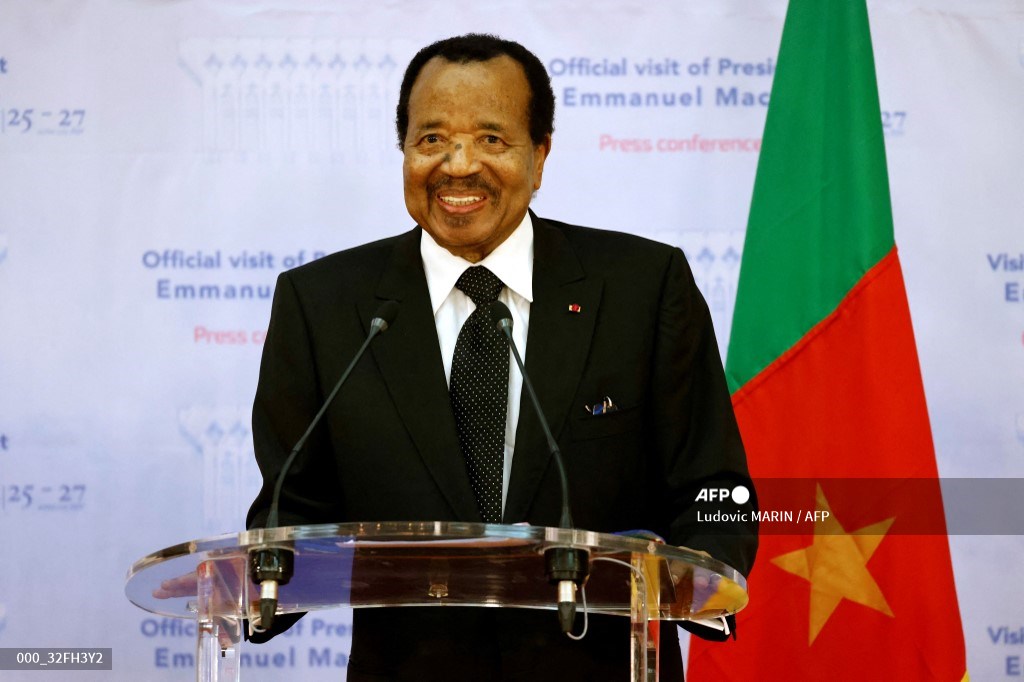

The announcement comes at a time of heightened political activity, with candidates required to submit their applications within 10 days of the electoral college being convened, as stipulated by Cameroon’s electoral code. Biya, the world’s oldest serving head of state, has not yet confirmed whether he will seek an eighth term, though he has hinted at considering requests from his ruling Cameroon People’s Democratic Movement (CPDM) to stand again. His long tenure, spanning over four decades, has been a defining feature of Cameroon’s political landscape, but it has also drawn criticism for alleged authoritarian practices and electoral irregularities, particularly following his 2018 victory with 71.28% of the vote.


The political scene is witnessing notable shifts, with several of Biya’s former allies breaking ranks to announce their own candidacies. Bello Bouba Maigari, aged 78, a former prime minister and current Minister of State for Tourism and Leisure, has accepted the nomination of the National Union for Democracy and Progress (NUDP) to run for president. Similarly, Issa Tchiroma Bakary, 75, a former railway engineer and ex-government spokesperson, resigned from his post as Minister of Employment and Vocational Training to contest the election under the Front for the National Salvation of Cameroon (FSNC). These defections, particularly from influential figures in northern Cameroon, signal potential fractures in the strategic alliances that have long supported Biya’s rule.
The opposition, however, remains fragmented, struggling to unite behind a single candidate. Prominent figures include Maurice Kamto, who placed second in the 2018 election and is a vocal critic of Biya, representing the Cameroon Renaissance Movement (CRM). Kamto faces challenges due to his party’s boycott of the 2020 legislative and municipal elections, which may complicate his eligibility under Cameroon’s electoral laws requiring party representation or 300 endorsements from influential figures. Another key contender is Cabral Libii of the Cameroonian Party for National Reconciliation (CPNR), a rising opposition figure. Additionally, Akere Muna, a 72-year-old international lawyer renowned for his work in anti-corruption and governance, is standing for the Univers party. Candidates have until 21 July 2025 to declare their intent to run.
The election is set against a backdrop of significant challenges, including a secessionist movement in Cameroon’s English-speaking regions, which has displaced thousands and led to deadly clashes, as well as spillover violence from Boko Haram in the Far North. Allegations of corruption and concerns over shrinking democratic space have further fuelled calls for change, particularly among younger voters who have known no other leader. Catholic bishops, including Archbishop Samuel Kleda of Douala, have publicly urged Biya to step aside, citing his advanced age and health concerns, adding a moral dimension to the political discourse.
Despite these pressures, Biya retains support from loyalists within the CPDM and allied parties like the Democratic Movement for the Defence of the Republic (MDR) and a faction of the Union of the Populations of Cameroon (UPC). His supporters argue that he remains the best candidate to ensure stability and development, pointing to his establishment of multi-party democracy and strengthened ties with Western governments. However, critics, including opposition leaders and civil society groups, argue that the political system, bolstered by a 2008 constitutional amendment removing term limits, has entrenched Biya’s power at the expense of democratic progress.
The 2025 election is poised to be a defining moment for Cameroon, with over eight million registered voters expected to participate, according to provisional data from the election commission. As the campaign period approaches, the nation faces a critical choice between continuity under Biya’s long-standing regime or a new direction led by one of the emerging challengers. The outcome will not only shape Cameroon’s future but also signal the trajectory of democratic governance in a region where prolonged leadership tenures remain a contentious issue.