


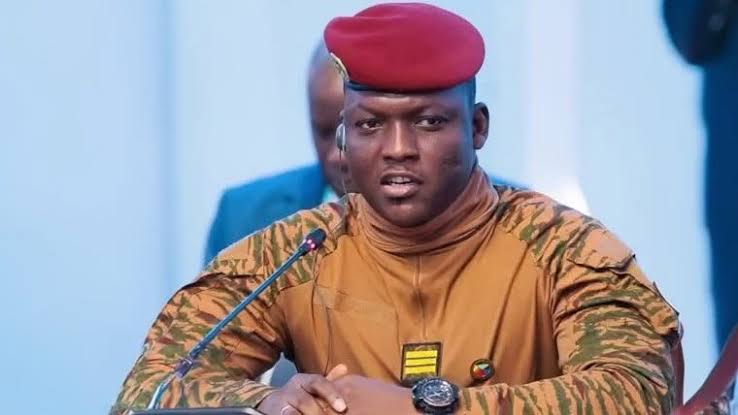
Burkina Faso’s President Traoré Disbands Electoral Commission, Citing Costs And Foreign Influence.
Ouagadougou, 18 July 2025 – Burkina Faso’s military leader, Captain Ibrahim Traoré, has dissolved the country’s Independent National Electoral Commission (CENI), labelling it an expensive and unnecessary body susceptible to foreign manipulation. The decision, announced on state-run RTB television, marks another significant move by the junta that seized power in September 2022, as it consolidates control over the nation’s political processes.


The government passed a law on Wednesday to abolish the CENI, with Minister of Territorial Administration Emile Zerbo stating that the commission’s annual cost of approximately £650,000 was unjustifiable. Zerbo argued that dissolving the body would strengthen Burkina Faso’s “sovereign control” over its electoral system and reduce external influences. Responsibility for organising future elections will now shift to the Ministry of Territorial Administration.
Since taking power in a coup, Traoré’s administration has introduced sweeping reforms, including the postponement of elections originally scheduled for July 2024, which were intended to restore civilian rule. A new charter, signed last year, extended the transition period to democracy until July 2029, allowing Traoré to remain in office and contest the next presidential election. The junta has justified the delay by citing ongoing security challenges, with jihadist violence continuing to plague the West African nation.
The dissolution of the CENI, previously composed of 15 members from political parties and civil society, has raised concerns among observers about the junta’s commitment to democratic principles. Critics argue that transferring electoral oversight to the interior ministry could undermine the impartiality of future polls. The move comes amid Burkina Faso’s broader shift in foreign policy, with Traoré distancing the country from its former colonial power, France, and forging closer ties with Russia.
The decision has sparked mixed reactions. Supporters of Traoré, who view him as a champion of pan-Africanism and national sovereignty, have praised the move as a bold step towards reducing Western influence. However, opposition groups and human rights organisations have expressed alarm, warning that it could further erode democratic institutions and entrench military rule.
Burkina Faso has faced significant instability since Traoré’s coup, which followed another military takeover just eight months earlier that ousted democratically elected President Roch Marc Kaboré. The country remains gripped by a worsening security crisis, with jihadist groups, including JNIM, reportedly doubling their attacks in the first half of 2025 compared to the previous year. Despite Traoré’s pledges to address insecurity, the situation continues to challenge his administration’s legitimacy.
As Burkina Faso navigates this turbulent period, the dissolution of the CENI underscores the junta’s determination to reshape the nation’s political landscape. Whether this move will bolster national sovereignty or further delay a return to civilian governance remains a subject of intense debate.