


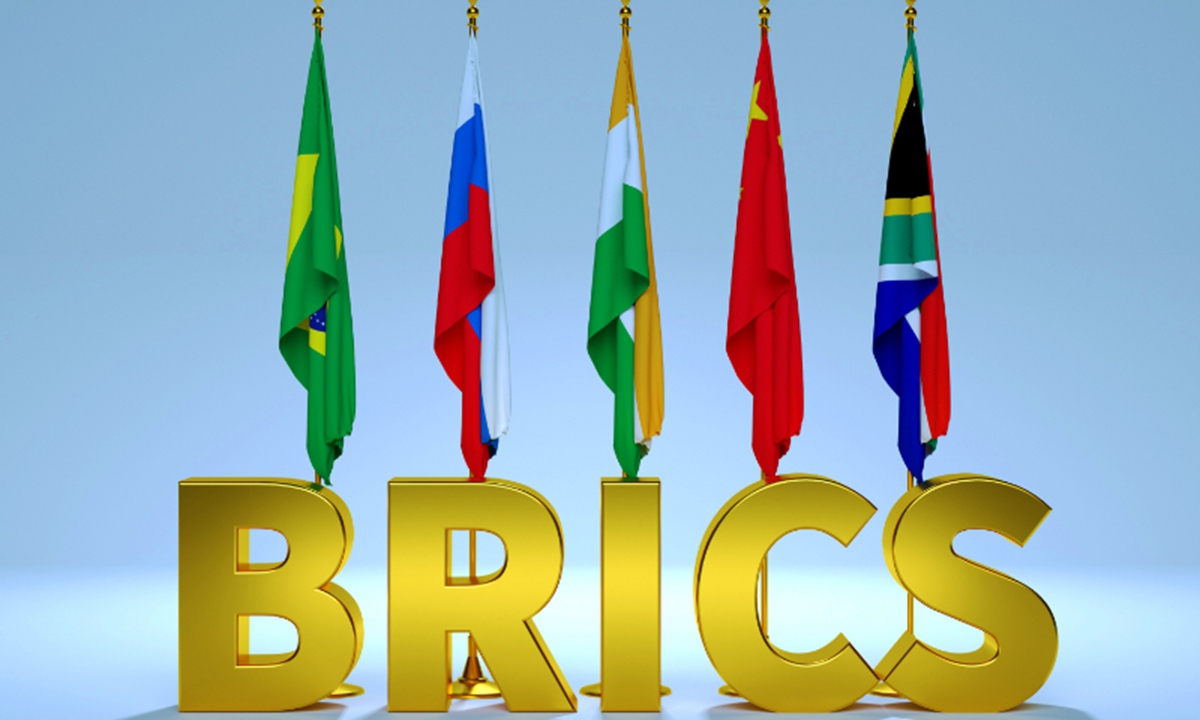
Brazil Vows To Bolster BRICS Ties Despite Trump’s Tariff Threats.
Brazil has reaffirmed its commitment to strengthening ties with the BRICS group of emerging economies, undeterred by threats from US President Donald Trump to impose steep tariffs on countries aligning with the bloc. The announcement, made by Celso Amorim, special advisor to Brazilian President Luiz Inácio Lula da Silva, follows Trump’s warning of a 50 per cent tariff on Brazilian goods, citing the country’s stance on BRICS and its legal actions against former President Jair Bolsonaro.


Amorim, speaking to reporters on 27 July 2025, declared Brazil’s intent to deepen international relations through BRICS, which includes Brazil, Russia, India, China, South Africa, and newer members such as Indonesia, Egypt, and Iran. “Brazil is a sovereign nation with independent institutions,” he stated, echoing President Lula’s earlier rejection of external pressures. The advisor emphasised that the country would not bow to what it perceives as coercive tactics from the US, particularly in response to Trump’s claims that Brazil’s judicial pursuit of Bolsonaro constitutes a “witch hunt.”
The escalation in US-Brazil tensions stems from a BRICS summit held in Rio de Janeiro on 6-7 July, where leaders issued a joint statement criticising global tariff hikes and advocating for a reformed global governance system. Trump, who has championed an “America First” agenda, responded by threatening a 10 per cent additional tariff on BRICS-aligned nations, accusing them of “anti-American” policies. A subsequent letter to Lula singled out Brazil, proposing a 50 per cent tariff from 1 August unless Brazil halts its legal proceedings against Bolsonaro, a close Trump ally, and addresses alleged censorship of US tech firms. Despite the US enjoying a $6.8 billion trade surplus with Brazil in 2024, Trump’s letter framed the tariffs as a response to perceived injustices.
Lula has been vocal in defending Brazil’s sovereignty, stating at the summit’s close that “the world does not need an emperor.” He warned that any unilateral US tariffs would be met with reciprocal measures, invoking Brazil’s Law of Economic Reciprocity. “If Americans can impose tariffs, so can other countries,” Lula asserted, a sentiment that has galvanised support among Brazilian nationalists and centrists alike. Posts on X reflect growing domestic backing for Lula’s stance, with many users praising his defiance against foreign interference, though some express concern over potential economic fallout.
Brazil’s economy, heavily reliant on exports like soya beans, crude oil, and iron to the US—its second-largest market after China—faces risks from the proposed tariffs. Analysts estimate that a 50 per cent levy could shave 0.3 to 0.4 percentage points off Brazil’s economic growth, impacting industries such as steel and agriculture. However, Lula’s administration remains optimistic, pointing to strengthened trade ties with BRICS nations, particularly China, which accounted for $120 billion in bilateral trade in 2024. The government is also exploring alternatives to the US dollar in global trade, a long-term BRICS goal that Lula has cautiously endorsed as a gradual process.
The BRICS summit underscored the bloc’s ambition to amplify the Global South’s voice, with initiatives like the New Development Bank’s Multilateral Guarantees programme aimed at boosting investment in member states. Despite internal differences among the diverse group, which now represents over 40 per cent of the world’s population and a quarter of global GDP, Brazil sees BRICS as a platform for multilateral diplomacy and economic resilience. Amorim’s remarks signal that Brazil will continue to champion this vision, even as Trump’s threats loom large, casting a shadow over US-Brazil relations.