


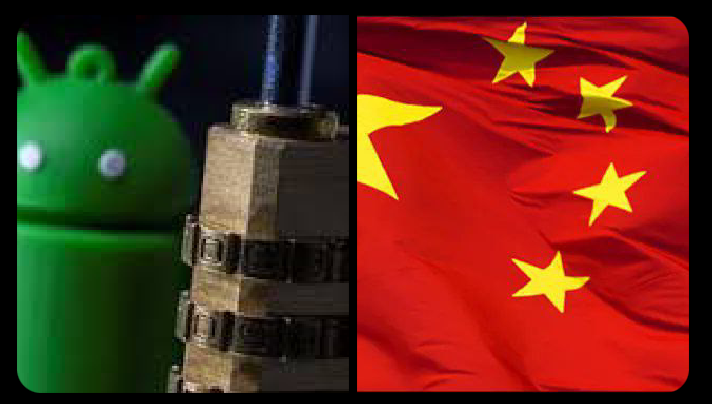
Beijing Replaces Android With Homegrown Operating System On Government Devices.
Beijing has taken a bold step in its push for technological independence by phasing out the Android operating system across all government devices. In its place, the Chinese government has introduced a new, domestically developed operating system built on proprietary closed-source code, marking a significant shift in the nation’s digital infrastructure.
The move, announced today, reflects China’s ongoing efforts to reduce reliance on foreign technology amid escalating global tensions over cybersecurity and data sovereignty. The new national system, details of which remain limited, is designed to enhance security and ensure greater control over sensitive government data. Sources indicate the transition has been in development for several years, with state-backed tech firms collaborating to create a robust alternative to Android, which is developed by US-based Google.


Officials in Beijing have stated that the switch is a strategic necessity to safeguard national interests. “This is a critical step towards technological self-reliance,” a government spokesperson said. “By adopting our own system, we can better protect our infrastructure and ensure the integrity of our operations.” The decision aligns with China’s broader ambition to bolster its domestic tech industry, as evidenced by initiatives like Made in China 2025, which prioritises advancements in semiconductors, artificial intelligence, and software development.
The new operating system is reportedly tailored to meet the specific needs of government agencies, with enhanced encryption and customised features to support secure communication and data management. While the system is currently exclusive to government use, there is speculation that it could eventually be rolled out to state-owned enterprises and even the private sector, further expanding China’s tech ecosystem.
This development comes amid growing scrutiny of foreign technology in China. The government has previously restricted access to Western apps and services, citing concerns over data privacy and national security. The replacement of Android on government devices is seen as a continuation of this trend, reinforcing China’s “Great Firewall” and its efforts to create a self-sufficient digital environment.
Industry experts suggest the transition could have far-reaching implications for global tech markets. “China’s move to a proprietary system could accelerate the fragmentation of the global software ecosystem,” said Dr. Li Wei, a technology analyst at Peking University. “It may also inspire other nations to pursue similar strategies, challenging the dominance of Western operating systems.”
While the full technical specifications of the new system remain undisclosed, early reports indicate it has been rigorously tested to ensure compatibility with existing government hardware and applications. The rollout is expected to be completed across all relevant departments by the end of 2026, with training programmes already underway to familiarise staff with the new platform.
The decision has sparked mixed reactions. Supporters argue it strengthens China’s technological sovereignty and reduces vulnerabilities to foreign surveillance. Critics, however, warn that a closed-source system could limit innovation and interoperability with global standards, potentially isolating Chinese users from the broader digital economy.
As Beijing forges ahead with its new operating system, the world will be watching closely to see how this shift reshapes China’s technological landscape and its position in the global tech race. For now, the move underscores the government’s determination to chart its own course in an increasingly contested digital world.