


Al-Qaeda Affiliate Claims Attack On Benin Military Post Near Nigerian Border.
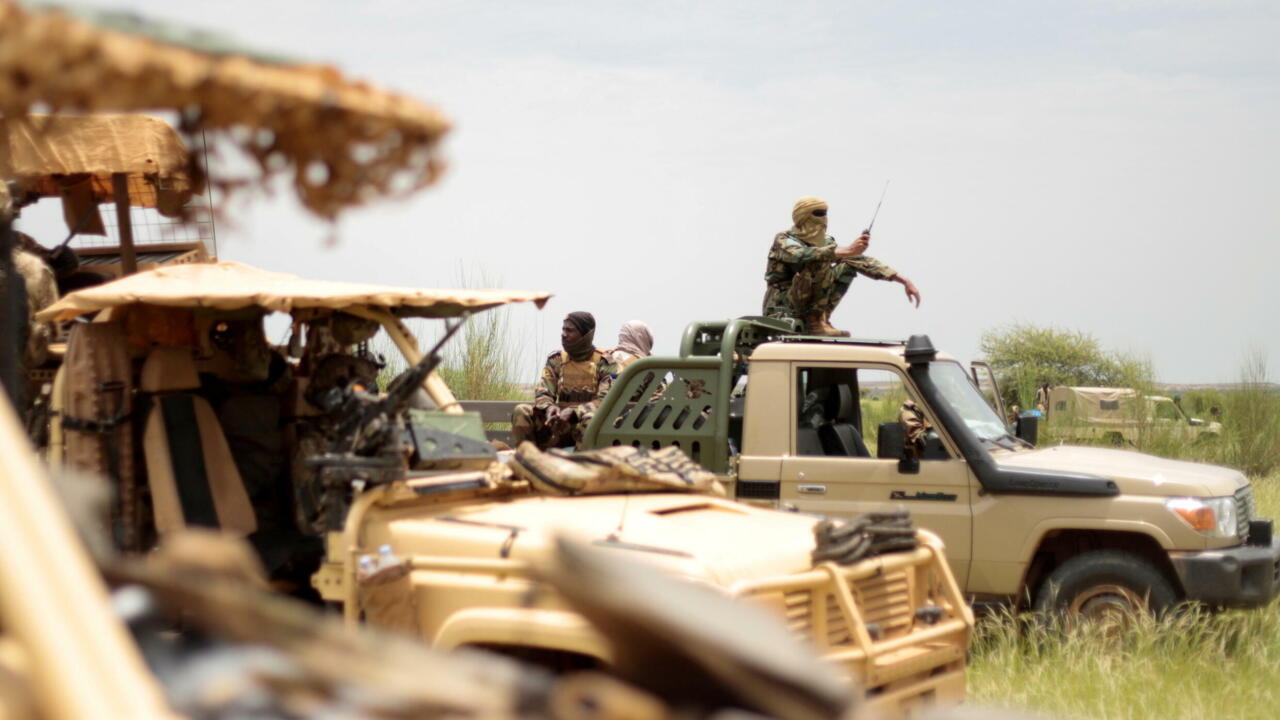
The Al-Qaeda-affiliated group Jama’at Nusrat ul-Islam wa al-Muslimin (JNIM) has claimed responsibility for a bold attack on a Beninese military post in Basso, a town in Benin’s Borgou region, just 15 kilometres from Nigeria’s border near Babana and communities surrounding Kainji National Park in Kwara and Niger states. The assault, which occurred on 12 June, has raised fresh concerns about the spillover of jihadist violence from the Sahel into West Africa’s coastal states.
JNIM, in a statement issued in Arabic, claimed it seized “control” of the military post, though specific details of casualties or damage were not disclosed. The group’s militants were reportedly armed with an array of weapons, including Bulgarian-made Arsenal MG-1M machine guns, Chinese Type 80 machine guns, RPG-7 launchers, and AKMS rifles. This follows a pattern of escalating attacks in northern Benin, with JNIM previously claiming responsibility for a deadly assault in April that targeted an armoured personnel carrier near the same border, and another in April that killed 54 Beninese soldiers, marking the deadliest attack in the country’s recent history.


Benin’s government has not yet released an official statement on the Basso attack, but the incident underscores the growing threat posed by jihadist groups expanding southwards from Mali, Burkina Faso, and Niger. Security experts warn that the porous border near Kainji National Park, a known hideout for local militant groups like the Mahmuda terrorists, could facilitate cross-border operations by JNIM, though there is no confirmed evidence of the group’s presence in Nigeria itself.
Nigeria’s National Security Adviser, Nuhu Ribadu, recently highlighted the Tinubu administration’s efforts to curb insurgency, noting a significant reduction in oil theft and improved security measures. However, the proximity of the Basso attack to Nigerian territory has sparked fears of regional destabilisation. “The spillover of violence in the Sahel could frustrate Nigeria’s fight against insurgency,” said Dr Amaka Ochieng, a security analyst, echoing concerns raised in recent analyses.
Benin, which deployed nearly 3,000 troops to secure its northern borders in January 2022 under Operation Mirador, has faced a surge in jihadist activity in recent years. The government remains resolute, with spokesperson Wilfried Leandre Houngbedji declaring, “We won’t give in. Sooner or later, we will win.” Meanwhile, Nigerian authorities have heightened surveillance along the border, with calls for increased regional cooperation to counter the growing threat.
The international community is closely monitoring the situation, as the spread of Al-Qaeda and Islamic State-linked groups into coastal West Africa raises alarms about regional stability. For now, Benin and Nigeria are urged to strengthen joint security measures to prevent further incursions, as the Sahel’s volatile security landscape continues to cast a long shadow over the region.